
Description
Symptoms
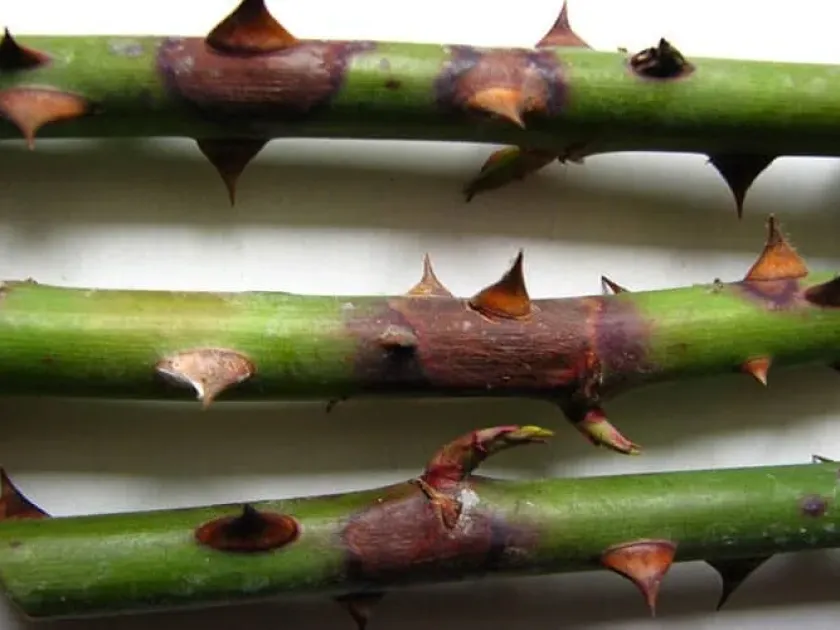
The primary symptom of Coniothyrium cane blight is the appearance of brown, slightly sunken spots on the rose canes, typically surrounded by a reddish border.
Over time, these lesions expand significantly along the cane, eventually girdling the stem, which causes the entire section above the spot to wither.
The center of the lesions often turns light brown or silver-gray as the plant tissue dries out and loses its structural integrity due to the fungal attack.
Small black dots, known as pycnidia, become visible on the surface of the infected bark; these are the fungal fruiting bodies that release spores for reproduction.
Infected canes frequently show signs of drying, splitting, or turning black, which is especially noticeable early in the spring after winter protection is removed.
Pathogen
The causative agent of the disease is the fungus Coniothyrium rosarum, an obligate pathogen that specifically targets plants within the Rosa genus.
This fungus belongs to the class of coelomycetes and is highly efficient at colonizing woody rose stems during periods of environmental stress.
The fungus overwinters in the mycelial stage within infected canes or plant debris, remaining dormant until weather conditions favor active development.
Infection occurs primarily through wounds in the bark caused by winter frost, pruning implements, insects, or other mechanical damages to the rose stems.
The spores of the fungus are easily dispersed by water splash, dew, wind, and contaminated gardening tools, facilitating rapid spread across the planting site.
Conditions for development
High humidity and poor ventilation under winter covering materials create the most favorable conditions for the rapid development of the disease in early spring.
Fluctuating temperatures in late winter and early spring cause bark cracking, which serves as a primary entry point for the fungal spores to invade the tissues.
Overcrowded plantings that lack adequate airflow between bushes significantly increase the likelihood of the disease spreading from one plant to another.
Excessive application of nitrogenous fertilizers, which forces rapid soft tissue growth, makes the rose canes more susceptible to penetration by fungal pathogens.
Prolonged periods of rain or excessive moisture during the dormant season significantly contribute to the survival and multiplication of Coniothyrium rosarum.
Why it matters
Coniothyrium cane blight is considered one of the most destructive diseases for rose gardens, capable of causing severe damage to high-value rose cultivars.
Girdling of the stems disrupts the transport of water and essential nutrients, which leads to the inevitable death of the affected branches.
Chronic infections weaken the overall health of the rose bush, leading to reduced flower production, stunted growth, and decreased lifespan of the plant.
If the infection spreads down to the root crown, it can lead to the total death of the bush, making the plant non-viable and requiring complete removal.
Managing the disease requires significant labor for sanitation and regular chemical treatments, adding to the long-term maintenance costs of the garden.
Protection
The most critical control measure is the immediate pruning of all infected stems, cutting well back into healthy tissue, and removing all debris from the garden.
Disinfecting pruning shears between cuts is essential to prevent the mechanical transmission of fungal spores from diseased to healthy rose canes.
Timely removal of winter protection to ensure proper ventilation and sunlight exposure for the bushes is a key practice for preventing moisture-related outbreaks.
Preventative applications of copper-based fungicides before bud break and after major pruning help to create a protective barrier against fungal colonization.
- Perform regular spring inspections of all rose stems.
- Avoid damaging bark during routine cultural operations.
- Strengthen plant immunity using balanced potash and phosphate fertilizers.
- Maintain proper spacing to ensure optimal airflow within the rosetum.
Pathogens and affected parts
Affects crops · 1
Discussion
No discussions yet — be the first.