
Net blotch
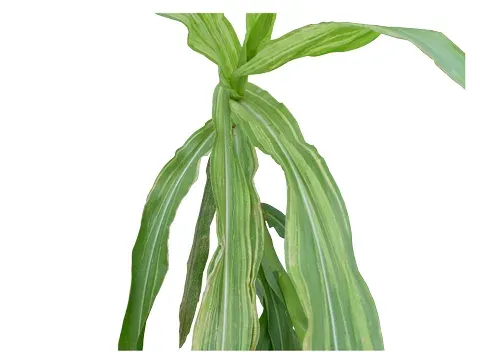
Cereal chlorotic
Net blotch, caused by the fungal pathogen Pyrenophora teres (anamorph Drechslera teres), is a major foliar disease affecting barley and other cereals worldwide. It is classified as an ascomycete fungus.
What the section contains
Net blotch
The pathogen overwinters as mycelium and pseudothecia on infected crop debris and stubble. During the growing season, it spreads via airborne conidia, facilitating rapid cycles of infection.
Favorable conditions for the development of the disease include high humidity, leaf wetness, and moderate temperatures ranging from 15°C to 25°C. These conditions trigger spore germination and colonization.
The fungus produces multiple generations of spores during a single season. This allows the disease to spread rapidly throughout a field under favorable environmental triggers.
Biological resilience of the pathogen allows it to persist in the soil for several seasons, making it a persistent challenge for continuous cereal cropping systems.
The disease primarily targets barley, causing necrotic lesions on the leaves, sheaths, and occasionally the glumes and seeds. The infection causes significant damage to the photosynthetic capacity of the plant.
As the disease progresses, the loss of green leaf area restricts the plant's ability to fill the grain. This directly results in reduced kernel weight and lower grain quality.
Economic losses can be substantial, often ranging from 10% to 40% in severely affected fields. The impact is most significant when the upper leaves are infected during the grain-filling stage.
Additionally, infected seed can transmit the pathogen, leading to poor seedling vigor and reduced stand density in subsequent seasons.
The weakened plants become more susceptible to lodging and secondary infections by other opportunistic pathogens, which further reduces the overall yield.
The disease is characterized by small chlorotic spots that expand into brown, dark-bordered lesions. The most distinctive symptom is the net-like pattern of dark brown streaks within the lesions.
In wet conditions, a dark olive-green fungal growth may be visible on the surface of the lesions, representing the conidial mass produced for reproduction.
As the infection matures, the leaves exhibit premature yellowing and dieback, starting from the lower canopy and moving upwards throughout the growing season.
- Dark, narrow lesions with a netted appearance.
- Yellow halos surrounding the necrotic spots.
- Premature senescence of the foliage.
- Dark spores appearing on the lesions in high humidity.
When the disease is severe, the lesions merge, covering large areas of the leaf blade, eventually leading to the complete drying of the leaf tissue.
Integrated management begins with crop rotation, ensuring a gap of at least two years between susceptible cereal crops to break the pathogen's life cycle.
Cultural practices such as deep tillage to bury crop residues help reduce the primary inoculum load in the field. Removing self-sown cereal plants is also essential.
The use of resistant cultivars is a fundamental strategy for managing net blotch, as it limits the initial infection rate and slows the progression of the disease.
Seed treatment with systemic fungicides is crucial to protect seedlings during the early establishment phase and to prevent seed-borne transmission.
Foliar application of fungicides, including triazoles and strobilurins, should be implemented when symptoms are first identified to maintain crop health and protect yield potential.