
Gray leaf spot of sorghum
Cercospora sorghi
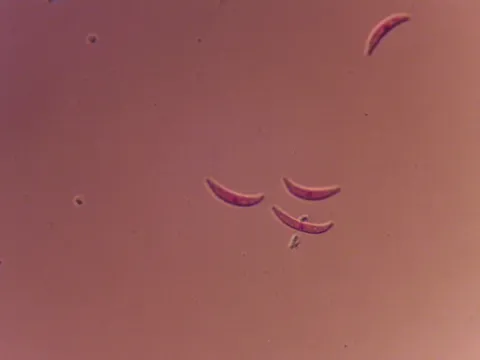
The causal agent of this disease is the fungus Cercospora sorghi, which belongs to the Ascomycota phylum. It is a specialized necrotrophic pathogen that affects sorghum and its relatives.
What the section contains
Gray leaf spot of sorghum
The fungus produces conidia on leaf surfaces, which serve as the primary source of inoculum during the growing season. The mycelium penetrates the leaf tissue, leading to localized cell death.
Taxonomically, it is classified within the family Mycosphaerellaceae. The fungus survives unfavorable conditions as stroma or mycelium in plant debris left in the field.
The pathogen is highly host-specific, primarily infecting plants within the genus Sorghum, which simplifies the selection of crop rotation strategies.
Its biological efficiency is enhanced by the rapid production of conidia under humid conditions, allowing the pathogen to spread quickly across fields.
Gray leaf spot affects grain sorghum, sweet sorghum, and sudangrass. The damage is particularly severe when the disease progresses to the upper leaves.
The primary impact is the reduction of the photosynthetic leaf area, which limits the plant's ability to produce carbohydrates for grain development.
Yield losses can be significant, potentially reaching 20-30% in highly susceptible hybrids under favorable environmental conditions for the fungus.
In sweet sorghum, the disease reduces the total sugar content in the stalks due to impaired translocation of photosynthetic products.
Chronic infection weakens the overall vigor of the crop, making it more susceptible to lodging and secondary pests.
The disease typically appears in the second half of the growing season, often starting around the flowering or early grain-filling stages.
Warm temperatures (25-30°C) and high relative humidity are critical triggers for the infection process and secondary spread of conidia.
Periods of rainfall or heavy dew significantly accelerate the development of the fungus, providing the necessary moisture for conidia germination.
The disease progression is often fastest when long periods of cloudy, wet weather occur during the reproductive phase of the crop.
As the plant reaches maturity, the fungus continues to proliferate on the remaining green tissue until senescence occurs.
Initial symptoms consist of small, reddish-purple or brown spots that gradually elongate into rectangular or linear shapes delimited by leaf veins.
As the infection matures, the center of the spots becomes grayish-tan due to the massive production of fungal conidia on the surface.
Leaf lesions frequently coalesce, causing large portions of the leaf blade to turn necrotic and die prematurely.
Symptoms are usually more pronounced on the lower leaves first, gradually moving upward toward the flag leaf.
- Rectangular, vein-delimited lesions.
- Reddish-purple to dark brown margins.
- Grayish sporulation centers on leaf surfaces.
- Premature leaf chlorosis and necrosis.
- Coalescing spots covering large leaf areas.
Crop rotation with non-host crops for at least two years is an effective strategy to reduce primary inoculum levels in the soil.
Sanitation practices, including the destruction or deep burial of sorghum crop residues, significantly reduce the pathogen's overwintering survival.
Choosing resistant or tolerant hybrids is the most sustainable and recommended method for managing gray leaf spot in sorghum production.
Fungicide applications may be necessary in high-value or seed-production fields if environmental conditions favor severe disease development.
Maintaining adequate plant spacing and controlling weeds around the field improves airflow and reduces microclimate humidity, inhibiting fungal growth.