
Xanthomonas axonopodis
Xanthomonas axonopodis
Description
How to identify
Xanthomonas axonopodis is a gram-negative, rod-shaped, motile bacterium belonging to the genus Xanthomonas. It is a highly significant plant pathogen known for infecting a wide range of monocot and dicot hosts.
The bacterium is characterized by its ability to secrete large amounts of extracellular polysaccharides, which assist in the formation of biofilms and facilitate the colonization of plant vascular tissues.
Taxonomically, it is classified into numerous pathovars, where each pathovar exhibits specific host range specificity. These pathovars are adapted to infect particular plant species through molecular cross-talk with the host.
It possesses a flagellum for motility, allowing it to navigate through moisture films on leaf surfaces to locate natural openings such as stomata or hydathodes. Once inside, it proliferates in the intercellular spaces.
Molecular identification is the gold standard for distinguishing Xanthomonas axonopodis from other closely related species, utilizing PCR assays to detect unique genetic markers within the bacterial genome.
What it damages
The economic impact of this pathogen is severe, particularly for the citrus industry, where it causes citrus canker. The disease results in necrotic lesions on leaves, stems, and fruits, rendering them unfit for the market.
Bean crops are frequently hit by common bacterial blight, which causes angular leaf spots. Severe infections lead to extensive defoliation, stunted plant growth, and a significant reduction in overall yield.
Invasion of the vascular system leads to xylem blockage, causing systemic wilting. This impairs the plant's ability to transport water and nutrients, eventually leading to the death of the infected tissues.
Fruit damage includes surface lesions that can crack and weep bacterial ooze, providing entry points for secondary opportunistic pathogens that further rot the produce.
The pathogen's ability to remain latent in seeds and plant debris makes it a persistent threat, often causing recurring epidemics in regions where it has been introduced.
When it appears
The development of the disease is strictly dependent on favorable environmental conditions, specifically temperatures between 25°C and 30°C and high humidity levels.
Wet weather acts as the primary driver for disease spread. Rain splash events facilitate the movement of bacterial cells from infected lesions to healthy tissues of the same or neighboring plants.
The pathogen is most active during the peak growing season when succulent tissue is available. Young, rapidly growing leaves and stems are the most susceptible to initial infection.
Wind-driven rain can disperse the bacteria over long distances, potentially infecting entire fields in a short timeframe if the canopy is dense and airflow is poor.
During colder or drier periods, the bacteria enter a survival mode, residing in dead plant matter, on the soil surface, or within the seeds of host plants until the next growing cycle.
Signs of infestation
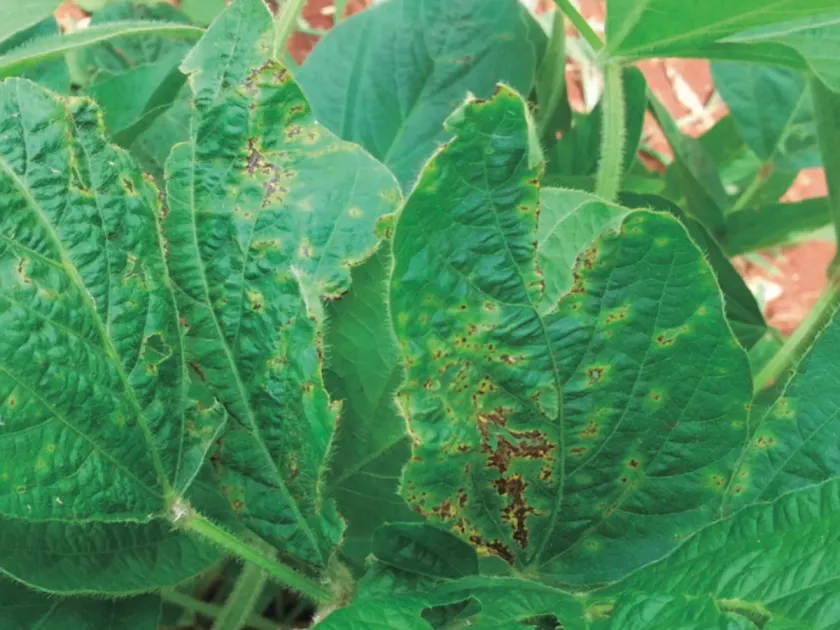
Initial symptoms are characterized by small, water-soaked spots on the foliage. These lesions gradually enlarge, darken, and develop a characteristic yellow halo of chlorotic tissue.
On citrus and other woody hosts, the bacteria cause raised, corky pustules or cankers. These lesions are a result of the pathogen triggering abnormal cell division and hypertrophy in the host plant.
A diagnostic sign of a bacterial infection is the presence of sticky or shiny bacterial ooze (exudate) on the surface of lesions, especially after periods of high humidity or dew.
Advanced stages of the disease manifest as premature leaf drop, dieback of twigs, and the formation of deep fissures on the stem, which can cause the plant to collapse.
In beans, angular spots defined by leaf veins are typical. If these spots coalesce, they create large necrotic areas, eventually leading to tissue disintegration and holes in the leaves.
Control measures
Quarantine and exclusion measures are the most critical tools to prevent the entry of the pathogen into disease-free regions. Using certified, disease-free seed stock is essential for success.
Cultural management includes the destruction of crop residues through deep plowing or burning. This reduces the inoculum pressure for the next planting season significantly.
Sanitary practices are vital; farmers must disinfect tools and machinery regularly, especially when moving between different fields or blocks of citrus or other susceptible crops.
Chemical control focuses on the prophylactic use of copper-based bactericides. These sprays provide a protective layer on the plant surface, preventing the bacteria from penetrating the tissues.
Breeding and deploying resistant cultivars remain the most sustainable strategy for long-term management, although the high genetic variability of the pathogen necessitates continuous breeding efforts.
Causes diseases · 2
Discussion
No discussions yet — be the first.