
Description
Symptoms
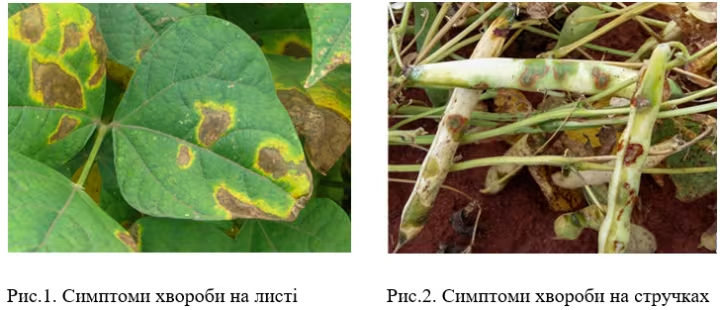
Initial symptoms include small, water-soaked spots on the leaves. As the disease progresses, these spots enlarge, turn brown or tan, and are characteristically surrounded by a distinct, bright yellow halo of chlorotic tissue.
Stem infections manifest as reddish-brown streaks or lesions. If these lesions girdle the stem, the plant may wilt and die prematurely, or experience lodging due to weakened stem integrity under windy conditions.
Pod symptoms typically appear as circular, slightly sunken, water-soaked spots. Under humid conditions, these spots may exude a sticky yellow bacterial ooze, which later dries into crusts on the surface of the pods.
Seeds infected by the pathogen may become discolored, wrinkled, or shriveled. Frequently, infected seeds may appear normal, yet they carry latent bacterial populations that will initiate the disease cycle upon germination.
- Water-soaked spots on leaflets.
- Characteristic yellow chlorotic halos around lesions.
- Reddish-brown stem lesions.
- Sunken spots on pods with bacterial ooze.
- Shriveled or discolored seeds.
Pathogen
The causal agent of this disease is the gram-negative bacterium Xanthomonas axonopodis pv. phaseoli. It is a highly persistent pathogen capable of surviving in infected seeds, crop residues, and within the soil for several seasons.
The bacteria primarily enter the plant through natural openings such as stomata or hydathodes, or through wounds created by insects, hail, or mechanical handling. Once inside, they proliferate rapidly within the vascular tissues, causing water-soaking and eventual necrosis.
This pathogen produces extracellular enzymes that break down plant cell walls, leading to the collapse of host tissues. The bacteria travel through the plant's xylem, systemic spread being a common feature that results in widespread damage across the plant foliage and pods.
Transmission of the disease is highly efficient in the presence of moisture. Splashing rain and overhead irrigation serve as the primary drivers for moving bacterial cells from infected plant tissues to healthy ones, creating new infection sites.
The persistence of the bacteria in alternative weed hosts of the legume family further complicates disease management, as these weeds act as a perennial reservoir for the pathogen in field environments.
Conditions for development
Common bean blight thrives in warm and humid climates. Temperatures ranging between +25°C and +30°C combined with high relative humidity provide the perfect environment for rapid bacterial multiplication and host colonization.
Prolonged periods of leaf wetness, often caused by heavy rainfall or persistent morning dew, are essential for the movement of bacteria and the successful infection of new plant tissues.
Inadequate crop rotation is a major risk factor. Planting beans in the same field consecutively allows the pathogen to accumulate in the soil and on residual plant material, leading to severe outbreaks early in the season.
Mechanical damage caused by farm equipment, wind-blown sand, or hail storms significantly increases the disease incidence. These injuries provide direct entry points that bypass the plant's natural defense mechanisms.
Poor field sanitation, including the presence of infected volunteer plants or weeds from the Fabaceae family, ensures the survival of the pathogen between cropping cycles.
Why it matters
Common bean blight is a major economic threat to bean production worldwide. It can lead to substantial yield reductions, sometimes exceeding 50% in severe cases, due to premature defoliation and pod decay.
Seed quality is severely compromised, rendering the harvest unsuitable for commercial sale. The presence of internal infection makes the grain unfit for use as certified seed for future planting cycles.
The destruction of foliage reduces the photosynthetic capacity of the plant, resulting in smaller, fewer seeds and overall stunted plant development. This leads to reduced biomass and low market value.
Infected pods often develop rot while in storage, especially if harvested under moist conditions, which leads to post-harvest losses and increased handling costs.
Farmers often incur high costs associated with repeated fungicide applications and the need for expensive remediation strategies to regain field health after a severe blight outbreak.
Protection
The most important control strategy is the use of high-quality, certified, disease-free seed. Since the bacteria are seed-borne, starting with clean planting material is the primary defense against the disease.
Implementing a rigorous crop rotation plan, with at least a 3-year gap between legume crops, is essential for reducing the bacterial inoculum present in the field soil.
Sanitation practices, such as deep plowing to bury infected crop residues immediately after harvest, help speed up the decomposition of the pathogen and prevent its survival through the winter.
Preventative applications of copper-based bactericides can help limit the spread of the disease during periods of favorable weather, though they must be applied before symptoms become widespread.
Effective pest management is crucial to minimize physical damage to the plants, as insects act as both mechanical vectors and agents of injury that facilitate bacterial entry.
Pathogens and affected parts
Affects crops · 1
Discussion
No discussions yet — be the first.