
Plant viruses
Various viruses
Description
How to identify
Plant viruses are intracellular parasites composed of genetic material (RNA or DNA) enclosed in a protein coat. Lacking cellular structure, they rely entirely on the host plant's metabolic machinery to replicate.
In phytopathology, viruses are classified based on their genome type, virion morphology, and transmission strategy. They infect a wide range of crops, causing systemic infections that spread through the plant's vascular system.
Transmission occurs horizontally through mechanical damage, seeds, pollen, or specialized vectors like aphids, leafhoppers, mites, and nematodes. Vertical transmission from parent to offspring via seeds is critical for the long-term spread of infection.
Identifying viral infections is challenging because symptoms often mimic nutrient deficiencies or herbicide damage. Advanced laboratory techniques like ELISA and PCR are essential for precise diagnosis in modern agriculture.
Virus biology is characterized by rapid mutation. During replication, viruses generate variants that can overcome host resistance, making them a persistent and evolving challenge for sustainable crop production.
What it damages
Viral diseases affect a broad spectrum of crops, including vegetables (tomatoes, peppers, cucumbers), cereals, fruits, and ornamentals. Common manifestations include mosaic, leaf curl, yellows, and spotting.
The damage stems from disrupted physiological processes, such as impaired photosynthesis, nutrient transport, and hormonal imbalance. This leads to stunting, plant deformation, and significant yield reduction.
Economic impact is measured in lower yields, reduced quality of produce, and decreased longevity of perennial crops. In epidemic conditions, losses can range from 50% to 90% of the total harvest.
Infected plants are more susceptible to secondary infections by fungi and bacteria. The weakened immune system leaves the crop unable to cope with environmental stressors, exacerbating the overall damage.
Since the infection is systemic, the virus spreads throughout the plant, turning it into a reservoir for vectors to transmit the disease to neighboring healthy crops, necessitating strict containment.
When it appears
Viral development is closely linked to the lifecycle of their insect vectors. Infection rates peak during the spring and summer when insect populations are most active and migratory.
Temperature plays a crucial role; moderately warm weather facilitates the rapid reproduction of insect vectors. Humidity also influences infection indirectly by supporting the growth of weed reservoirs.
Initial outbreaks often stem from overwintering weeds that harbor the virus during the off-season. Early identification of these primary infection sites is vital to preventing broader outbreaks.
The season also dictates plant vulnerability. Young, rapidly growing plants are the most susceptible to virus entry during the feeding activities of insect vectors.
Autumn is critical for winter crops, as viruses migrate from harvested summer crops. Thus, the viral lifecycle in an agroecosystem is virtually continuous throughout the year.
Signs of infestation
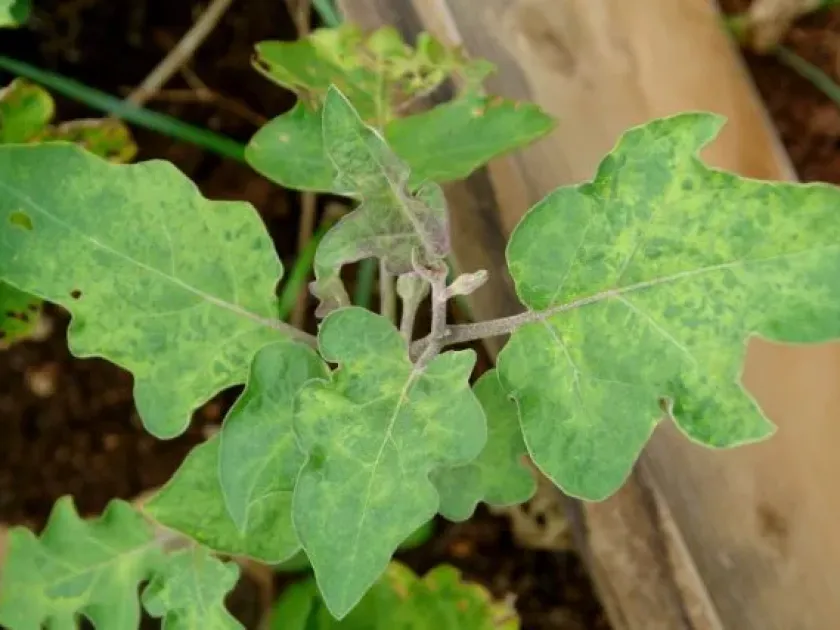
The most common symptom is mosaic patterns on leaves—a light and dark green mottling caused by the degradation of chlorophyll and chloroplasts due to viral protein activity.
Leaf deformation, including curling, twisting, or filiform (thread-like) growth, indicates severe hormonal disruption. This often results in overall plant stunting and reduced size.
Specific necrosis on stems, leaves, or fruits indicates local tissue death at the site of viral replication. This damage diminishes the marketability of produce and shelf life.
Color changes in fruits, such as spotting, rings, or abnormal stripes, significantly reduce the commercial value of the crop. In some instances, the fruit becomes inedible.
- Mottled or mosaic leaf patterns.
- Leaf curling and deformation.
- General plant stunting.
- Necrotic spots on leaves or stems.
Control measures
The foundation of control is the use of certified virus-free seed and planting material. Strict phytosanitary protocols in nurseries are essential to prevent initial infection.
Controlling vectors through timely insecticide applications is a standard practice. Eliminating aphids, whiteflies, and other insects significantly slows the spread of the virus within a field.
Agronomic measures include strict weed control to remove virus reservoirs and maintaining spatial isolation between susceptible crops to restrict vector movement.
Planting resistant or tolerant cultivars is the most sustainable and effective control method. Modern breeding programs prioritize resistance to prevalent viruses in specific geographic regions.
Sanitary measures, such as the rogueing (removal) of infected plants, help manage outbreaks. Furthermore, disinfecting tools used for pruning or cultivation prevents the mechanical transmission of viruses.
Causes diseases · 1
Discussion
No discussions yet — be the first.