
Phytoplasma
Phytoplasmalike organism
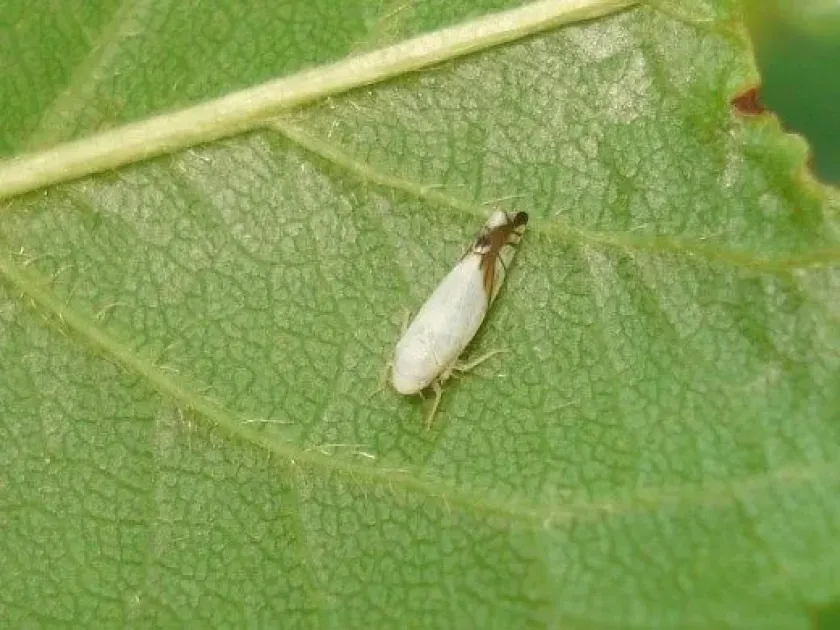
Description
How to identify
Phytoplasmas are specialized, cell-wall-less prokaryotic microorganisms belonging to the class Mollicutes. They are obligate intracellular parasites that thrive exclusively within the sieve elements of plant phloem tissue.
Systematically, phytoplasmas are classified based on the analysis of the 16S rRNA gene, which allows for the designation of various distinct groups (16Sr groups). These organisms are minuscule and cannot be cultured on standard microbiological media, which makes laboratory diagnosis challenging.
Detection is primarily achieved through PCR-based molecular diagnostics, which are required to identify the presence of pathogen DNA in plant tissues. Visual identification is often unreliable because symptoms frequently mimic those of viral or fungal infections.
Insect vectors, particularly those with piercing-sucking mouthparts like leafhoppers, psyllids, and certain planthoppers, are the primary agents of transmission. The pathogen multiplies within the vector before being injected into the plant phloem.
The infection spreads systemically throughout the plant's vascular system, causing significant disruption to the transport of nutrients and photoassimilates, which leads to the characteristic stunted growth of the host plant.
What it damages
Phytoplasmas affect a wide range of economically significant crops, including tomatoes, potatoes, grapevines, fruit trees, and various ornamental species. Infestations can lead to near-total crop failure in highly susceptible fields.
Notable diseases include potato purple top, grapevine yellows, and cherry witches' broom. These infections cause systemic physiological stress, resulting in severe losses in yield and harvest quality for growers.
The pathogen disrupts the plant's hormonal balance, triggering abnormal cell division and malformation of vegetative and reproductive organs. This typically results in sterility, stunted development, and complete loss of marketability.
Weed hosts frequently act as reservoirs, maintaining the pathogen in the landscape even when primary crops are not present. This makes managing the disease cycle extremely difficult without landscape-wide sanitation efforts.
The economic impact is profound, as perennial crops often require total removal and replanting, leading to massive long-term financial losses for agricultural producers and nurseries.
When it appears
The activity of phytoplasmas is synchronized with the life cycle of their insect vectors. Infection rates peak during the spring and summer months when vector populations are most active and abundant in agricultural fields.
Transmission can occur throughout the growing season, particularly under hot, dry conditions that favor the migration and feeding of leafhoppers. These weather patterns are often correlated with severe disease outbreaks.
Following transmission, there is an incubation period during which the pathogen colonizes the phloem. Visible symptoms may not appear for several weeks or even months, depending on the specific host-pathogen combination.
The pathogen persists through winter in the roots of perennial plants or within the bodies of overwintering insect vectors. This ensures the survival of the infection cycle until the next growing season begins.
Timing preventive measures requires close monitoring of vector migration patterns. Recognizing the seasonal threat allows agronomists to intervene before the pathogen becomes well-established in the crop.
Signs of infestation
Symptoms are diverse but often include chlorosis (yellowing), where leaves may become rigid, brittle, or curled. These signs indicate severe interference with nutrient transport within the phloem.
A classic symptom is the "witches' broom" effect, characterized by the proliferation of many thin, weak shoots from a single node, giving the plant a bushy appearance with significantly shortened internodes.
Phyllody is another diagnostic sign, where floral parts turn green and take on leaf-like characteristics. Flowers often become sterile, fail to produce fruit, or produce deformed, non-viable fruits.
Overall plant growth is inhibited, leading to severe stunting. Root systems of infected plants are typically underdeveloped, and the plant may eventually succumb to dehydration or nutritional failure.
- Yellowing and curling of leaves
- Witches' broom (prolific shoot growth)
- Phyllody (green, leaf-like flowers)
- General stunting and dwarfism
- Floral sterility and misshapen fruit
Control measures
The most effective strategy is the systematic control of insect vectors using appropriate insecticides. Reducing the population of leafhoppers and other carriers directly limits the spread of the pathogen.
Rigorous weed control is essential for breaking the infection chain, as many common weeds serve as symptomless reservoirs for phytoplasmas. Keeping fields clear of weeds significantly reduces the local disease pressure.
Growers should strictly use certified, disease-free planting material. Any plant showing symptoms of phytoplasma infection must be immediately rogue-ed (removed) and destroyed to prevent further spread.
Maintaining physical separation between different plots and using resistant or tolerant cultivars are important aspects of long-term disease management and field sanitation.
Integrated pest management (IPM), including the use of yellow sticky traps for monitoring vectors, allows for timely application of protective measures, ensuring the best possible management outcome for the crop.
Causes diseases · 1
Discussion
No discussions yet — be the first.