
Description
Symptoms
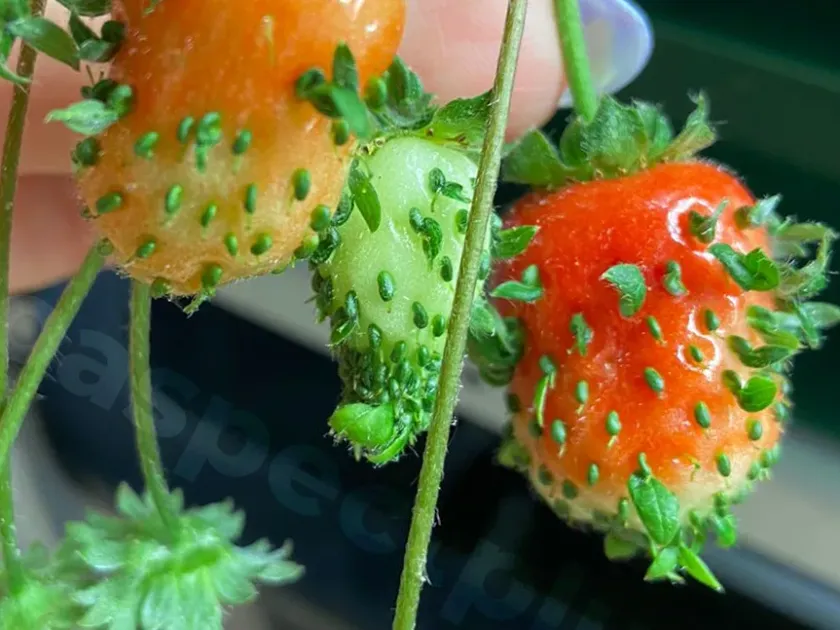
The hallmark symptom is the transformation of floral organs into green, leaf-like structures, a process known as phyllody. Petals, stamens, and styles may all revert to vegetative forms.
Infected plants often display proliferation of lateral shoots, leading to a bushy, stunted appearance, frequently described as a witches' broom effect in various affected species.
Chlorosis and leaf curling are common, as the infected vascular system struggles to support normal plant growth and development, leading to yellowing of foliage.
The most devastating sign for farmers is the absolute sterility of flowers, which prevents the development of fruits, seeds, or pods, rendering the plant entirely unproductive.
- Leaf-like floral structures.
- Floral organ atrophy.
- Excessive, bushy branching.
- Complete reproductive failure.
Pathogen
Phyllody is a severe systemic disease caused by phytoplasmas, which are specialized wall-less prokaryotes. These pathogens reside exclusively in the sieve elements of the plant's phloem.
Phytoplasmas cannot survive outside their hosts and rely entirely on insect vectors, primarily leafhoppers, to transmit the pathogen from one plant to another during feeding.
Once introduced into the phloem, the phytoplasmas multiply and spread throughout the plant's systemic vascular system, effectively hijacking the host's metabolic processes.
A wide range of economically important crops, including chickpea, safflower, and cotton, are susceptible to these infections, which can devastate entire field yields.
Because these pathogens colonize the vascular tissues, they disrupt the transport of essential sugars and hormones, causing the characteristic developmental abnormalities observed in infected plants.
Conditions for development
The spread of phyllody is highly dependent on the lifecycle and migratory patterns of insect vectors like leafhoppers, which thrive in warm and dry weather conditions.
Large populations of leafhoppers feeding on surrounding weed reservoirs often migrate to crop fields, carrying the phytoplasma and initiating an outbreak.
Environmental stress, such as drought, can exacerbate the impact of the disease by weakening the plant's defenses and encouraging the movement of insect populations.
Field location relative to alternative hosts and the timing of insect migration are critical factors determining the severity of a phyllody epidemic in a given season.
Proper agricultural practices, including the removal of nearby host weeds, can significantly reduce the risk of infection by eliminating the primary survival sites for the pathogen.
Why it matters
Phyllody is extremely harmful because it results in a total loss of commercial yield. Infected plants are unable to produce viable seed or fiber, leading to direct economic failure.
In cotton production, the disease causes premature shedding of flower buds and squares, leading to a massive decline in fiber quantity and overall crop quality.
For crops like chickpea and safflower, widespread infection leads to thin stands and poor harvest, often forcing farmers to abandon the affected portions of the field.
Beyond immediate crop loss, the disease acts as a persistent threat because phytoplasmas can survive in perennial weeds, maintaining a constant source of infection in the area.
The systemic nature of the infection makes it impossible to cure an individual plant once it shows symptoms, necessitating a preventive rather than curative approach.
Protection
The primary control strategy is the intensive management of weeds in and around the fields, as these serve as the main reservoir for both the phytoplasma and its insect vectors.
Effective insecticide applications targeted at suppressing leafhopper populations during critical growth stages are essential to break the transmission cycle of the disease.
Spatial isolation of new plantings from known areas of infection and the use of healthy, pathogen-free seeds or planting material are fundamental preventative measures.
Early identification and rogueing of symptomatic plants can help slow the spread within the field, provided that the initial infection is localized and limited in scope.
Integrated Pest Management (IPM) practices, such as crop rotation and encouraging natural predators of leafhoppers, remain the best defense against persistent phyllody threats.
Pathogens and affected parts
Affects crops · 3
Discussion
No discussions yet — be the first.