
Phytoplasmas
Candidatus
Description
How to identify
Phytoplasmas are specialized, wall-less prokaryotic microorganisms that belong to the class Mollicutes. Because they lack a rigid cell wall, they are highly pleomorphic and exist as small, fragile bodies within the host.
They are classified within the candidate genus Candidatus Phytoplasma. These organisms are obligate parasites, meaning they can only survive and multiply within the phloem sieve elements of their host plants or within their insect vectors.
Due to the absence of a cell wall, phytoplasmas cannot be cultured in vitro on artificial laboratory media. Their identification relies on sophisticated molecular techniques, primarily PCR-based assays targeting ribosomal RNA genes.
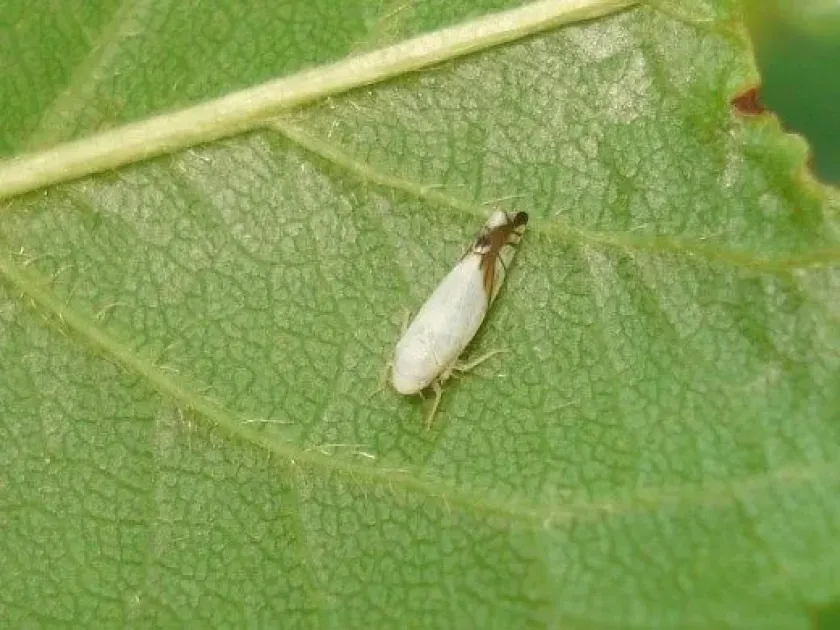
Transmission occurs primarily through phloem-feeding insects, most notably leafhoppers, planthoppers, and psyllids. When these insects feed on an infected plant, they acquire the phytoplasmas, which then colonize the insect's salivary glands.
After an incubation period, the insect vector becomes capable of transmitting the pathogen to healthy plants during subsequent feeding sessions. This transmission mechanism is highly efficient and is the main reason for the rapid spread of diseases in agricultural fields.
What it damages
Phytoplasmas cause a diverse range of plant diseases globally, impacting major crops such as tomatoes, potatoes, grapevine, citrus, and various legumes. These diseases are often referred to as yellows or witches' broom diseases.
The pathogens disrupt the plant's vascular system by blocking the phloem tubes. This prevents the normal transport of nutrients and sugars from leaves to roots, leading to severe physiological stress and growth arrest.
Damage is characterized by stunted growth, systemic yellowing, and decreased yield. In many cases, infected plants suffer from reduced root development, which makes them highly susceptible to secondary environmental stress, such as drought or heat.
The economic impact of phytoplasma outbreaks is substantial. In severe cases, entire harvests can be lost because the infected fruit or vegetative parts do not reach commercial standards and the plants often die prematurely.
Many wild plant species act as perennial reservoirs for these pathogens. This ensures the persistence of the disease in the environment, making it difficult to eradicate even after a field is harvested and replanted.
Signs of infestation
The most common symptoms include chlorosis, where leaves turn yellow or purple. This chlorosis often starts at the leaf margins and spreads, eventually leading to premature leaf senescence and death.
A hallmark of phytoplasma infection is the proliferation of buds, known as witches' broom. This results in the growth of numerous thin, weak shoots that give the plant a bushy and distorted appearance.
Floral abnormalities are frequent and include virescence (green coloring of petals) and phyllody (where flower parts are transformed into leaf-like structures). These changes often lead to total plant sterility.
Fruit symptoms include small size, deformation, and poor taste. In crops like tomatoes, the fruit may become hard and woody, rendering them entirely unsuitable for fresh market or processing purposes.
Grapevine yellows is a critical disease where leaves curl downwards and become brittle. The fruit bunches often wither and drop prematurely, resulting in total crop failure for the season.
Control measures
Managing phytoplasma diseases is challenging because there are no curative chemical treatments for plants. Effective control requires an integrated pest management approach focusing on preventing infection.
- Sourcing certified pathogen-free planting material.
- Implementing strict weed control to remove alternative host plants.
- Using insecticides to manage populations of leafhoppers and other insect vectors.
- Establishing physical barriers or using protective nets in greenhouse environments.
- Removing and destroying infected plants promptly to prevent further spread.
Crop rotation and field hygiene are essential practices for long-term management. By eliminating the source of the pathogen and the insect vectors, farmers can significantly reduce the risk of secondary infections within their cultivated areas.
Discussion
No discussions yet — be the first.