
Phytoplasma
Candidatus
Description
How to identify
Phytoplasmas are specialized, wall-less prokaryotic organisms belonging to the class Mollicutes. These obligate parasites inhabit the phloem tissue of host plants and are responsible for significant losses in agricultural productivity globally.
Taxonomically, they are classified as Candidatus Phytoplasma. Since they cannot be cultured in artificial media, their diagnosis relies heavily on molecular diagnostic tools, specifically PCR amplification and sequencing of the 16S rRNA gene.
The transmission of phytoplasmas occurs primarily through sap-sucking insects, such as leafhoppers, planthoppers, and psyllids. These insects serve as vectors, acquiring the pathogen while feeding on infected plants and transmitting it to healthy ones.
The biology of the pathogen involves a complex cycle where it must replicate within both the host plant and the insect vector. Once acquired, the insect remains a carrier for the rest of its life, facilitating the spread of the disease across fields.
By colonizing the phloem, phytoplasmas physically and metabolically disrupt the translocation of photoassimilates. This systemic obstruction leads to the severe morphological and physiological abnormalities observed in infected plants.
What it damages
Phytoplasmas cause a wide array of devastating diseases in diverse crops, including vegetables, fruits, and ornamental plants. Notable examples include tomato stolbur, grapevine yellows, and aster yellows, all of which pose threats to food security.
Infected plants exhibit systemic symptoms, resulting in reduced yield, poor fruit quality, and often, the death of the entire crop. Because the pathogen infects the vascular system, vegetative propagation using infected material continues the disease cycle.
The damage extends to the root system, which suffers from poor development and necrosis, further limiting water and nutrient uptake. This makes infected plants highly sensitive to environmental stressors like heat and drought.
Economic damage is exacerbated by the fact that phytoplasma-infected plants are often unproductive even if they survive. The cumulative loss over several seasons in perennial crops, such as grapevines, can necessitate the complete removal of orchards.
- Stunting and severe growth retardation.
- Degeneration of reproductive organs and flower sterility.
- Yellowing and reddening of foliage across various species.
- Destruction of phloem vessels and vascular integrity.
When it appears
The activity of phytoplasma diseases is tightly synchronized with the seasonal migration and reproductive cycles of their insect vectors. Peak infection periods typically occur during late spring and throughout the summer months.
Warmer temperatures accelerate the multiplication of phytoplasmas within the insect vector, shortening the latent period and increasing the efficiency of transmission. This creates a high risk of epidemic spread during hot, dry seasons.
Overwintering of the pathogen occurs primarily in the roots of perennial weeds. When spring arrives, vectors move from these reservoir hosts to newly planted crops, initiating the first round of seasonal infections.
Symptoms often reach their highest intensity during the flowering and fruit-setting stages. The increased demand for resources by the plant makes the vascular blockage caused by the pathogen particularly damaging at this time.
The speed and extent of an outbreak are directly proportional to the population density of the vectors. Effective management must therefore address both the presence of the pathogen and the population dynamics of the insects.
Signs of infestation
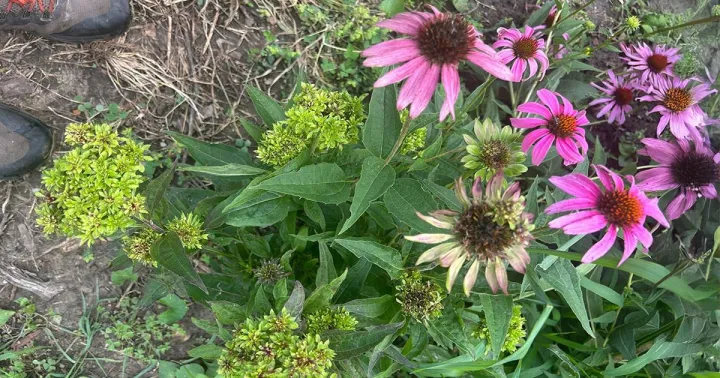
The most distinctive symptom is virescence, where flower petals revert to leaf-like structures, and phyllody, the transformation of floral parts into green, vegetative tissues. This reflects a major shift in the plant's hormonal balance.
Witches' broom is a classic sign of infection, characterized by excessive, disorganized branching of stems. This gives the plant a dense, stunted, and bushy appearance that is highly atypical for the species.
Chlorosis, or the yellowing of leaves, is frequently observed, often accompanied by the inward rolling or brittleness of leaf margins. In many cases, the leaves also turn a reddish or purplish hue due to stress-induced pigment accumulation.
As the disease progresses, the stems may show signs of necrosis, and the entire plant can wilt despite adequate water availability. This systemic decline is a hallmark of advanced phytoplasma infection.
Fruit set is severely impaired; fruits may be small, malformed, or entirely absent. In grapevines, the fruit clusters often wither and drop prematurely, leading to significant yield losses before harvest.
Control measures
Integrated pest management (IPM) is the most effective approach, focusing on controlling insect vectors using targeted insecticide applications during the early season to minimize disease transmission.
Eliminating reservoir weeds in and around the field is a critical preventative measure. By removing the alternative hosts that harbor the pathogen during the winter, the primary source of early-season infection is reduced.
Strict phytosanitary practices are essential, including the exclusive use of certified, disease-free planting material. Infected plants should be promptly identified and rogued from the field to prevent further transmission.
Implementing spatial isolation and strategic crop rotation can help mitigate the risk of pathogen spread. Preventing the contact between vector-rich environments and sensitive crop areas is vital for successful control.
Ongoing research into breeding resistant or tolerant crop varieties offers long-term solutions. Developing cultivars that are less attractive to vectors or have physiological resistance to colonization can significantly reduce the impact of phytoplasmas.
Discussion
No discussions yet — be the first.