
Phytoplasma
Candidatus
Description
How to identify
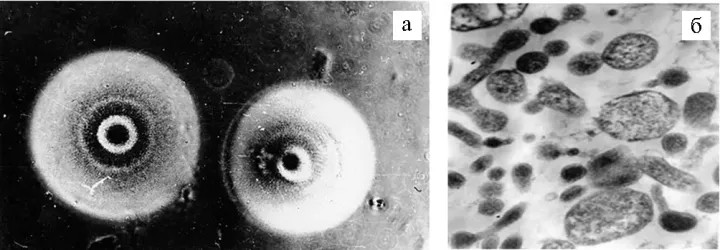
Phytoplasmas are specialized, wall-less prokaryotes belonging to the class Mollicutes. They are classified within the genus Candidatus Phytoplasma and are obligate parasites that reside exclusively in the phloem tissue of host plants.
These pathogens possess a small genome and rely heavily on their plant host for survival. Because they cannot be cultured in standard laboratory media, their detection often relies on molecular techniques like PCR, which are essential for precise identification in agricultural settings.
The transmission of phytoplasmas occurs primarily through sap-sucking insects, mainly leafhoppers, planthoppers, and psyllids. The pathogen replicates within the insect vector and is transmitted to healthy plants during the insect's feeding process.
Once inside the host, phytoplasmas colonize the sieve elements of the phloem, causing systemic infection. They disrupt the normal translocation of nutrients, which leads to the characteristic physiological malfunctions observed in infected crops.
Due to the difficulty of visual identification in the early stages, scouting for specific insect vectors is a critical part of phytoplasma management. Regular monitoring of both the crops and the insect populations is vital for early intervention.
What it damages
Phytoplasmas cause a wide variety of diseases in numerous economically important crops, including vegetables, fruit trees, and ornamental plants. Notable examples include Aster Yellows, Potato Purple Top, and Grapevine Yellows.
The damage caused by these pathogens is significant, as they often render plants sterile or severely reduce the yield. In fruit crops, infection can lead to long-term decline and death of the trees, resulting in substantial losses for producers.
By interfering with the plant's hormonal balance and nutrient transport, phytoplasmas induce severe growth abnormalities. Plants may become stunted, show reduced vigor, and fail to produce viable seeds or fruits, impacting both quantity and quality.
Perennial crops are particularly vulnerable because the pathogen can overwinter in the roots and woody tissues. This makes them a persistent threat to orchards and vineyards, where infection can lead to the need for complete field replacement.
Field crops like cereals and legumes can also be heavily impacted, suffering from stunted growth and empty grains, which directly lowers harvest metrics and reduces the overall profitability of the agricultural operation.
Signs of infestation
Common symptoms of phytoplasma infection include yellowing or reddening of the leaves (chlorosis), which often starts at the margins and spreads. The foliage may become thickened, leathery, and brittle.
A classic sign is the formation of witches' brooms, where the plant produces an excessive number of thin, weak side shoots. This creates a dense, bush-like appearance that is highly characteristic of the infection.
Reproductive organs are frequently affected, with flowers often turning into leafy, green structures, a condition known as phyllody. This prevents normal pollination and seed set, leading to barren plants.
Stunting is a very common observation, particularly in young plants that become infected early in the growing season. Internodes shorten, and the overall plant architecture is altered, leading to a stunted and sickly appearance.
- Chlorosis and reddening of foliage
- Witches' broom proliferation
- Phyllody (leafy flowers)
- Stunting and growth deformation
- Reduced fruit set and sterility
Control measures
Controlling phytoplasma revolves around managing the insect vectors. Using systemic insecticides to control leafhopper and psyllid populations is the most effective way to break the transmission cycle.
Cultural practices, such as weed control, are essential to remove alternative hosts. Many wild plants harbor the pathogen, serving as reservoirs that allow insects to spread the disease to nearby commercial crops.
The use of high-quality, certified, disease-free planting material is the most important preventive measure. This is especially critical for nurseries and orchards to avoid introducing the pathogen into clean areas.
Rouging, or the immediate removal and destruction of infected plants, is necessary to minimize the local source of inoculum. All infected debris should be burned or buried to prevent spread to adjacent healthy plants.
While breeding for resistance is an ongoing effort, there is currently no curative chemical treatment for infected plants. Therefore, integrated pest management (IPM) strategies, strict quarantine measures, and continuous monitoring remain the standard approach for crop protection.
Causes diseases · 2
Discussion
No discussions yet — be the first.