
Phytoplasma
Phytoplasma organism
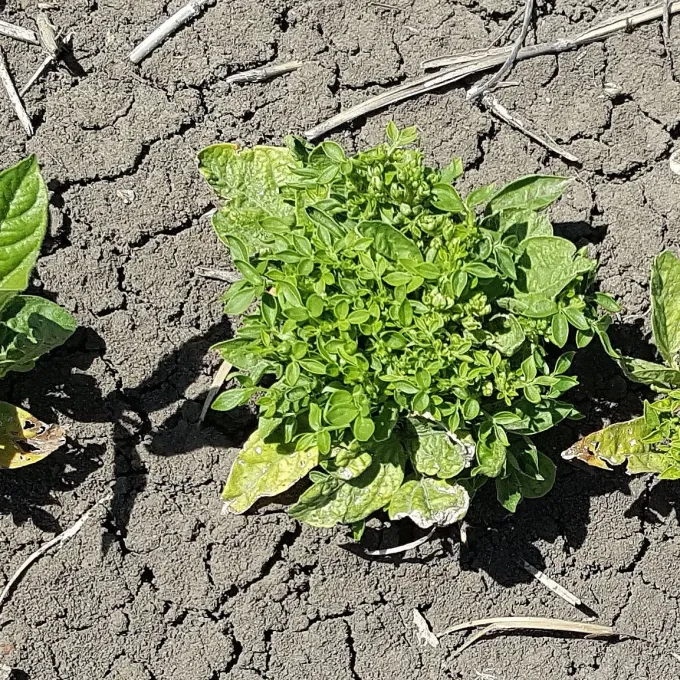
Description
How to identify
Phytoplasmas are specialized, wall-less prokaryotic microorganisms belonging to the class Mollicutes. They are unique plant pathogens that inhabit the sieve elements of the plant phloem.
Due to the absence of a cell wall, they are extremely fragile and rely entirely on the host plant or their insect vectors for survival and dissemination. They cannot be cultured on standard laboratory growth media.
Their genome is highly reduced, making them obligate intracellular parasites that must extract nutrients directly from the phloem sap of the infected plant.
Modern identification relies primarily on molecular diagnostic tools, such as PCR and sequence analysis of the 16S rRNA gene, which allows for the classification of various phytoplasma groups.
They are classified within the genus Phytoplasma, and their detection is crucial for quarantine services and professional agricultural management.
What it damages
Phytoplasmas infect a wide range of economically important crops, including vegetables (tomatoes, potatoes), grapes, fruit trees, and various ornamental plants, causing devastating losses.
Common diseases include potato purple top, tomato big bud, grapevine yellows, and various fruit tree decline syndromes. These infections can drastically reduce crop quality and yield.
Transmission occurs via sap-sucking insects, primarily leafhoppers (Cicadellidae) and psyllids. Once an insect ingests the pathogen, it becomes a permanent carrier and transmits the disease to healthy plants.
The damage caused is systemic; the pathogen disrupts the phloem translocation of nutrients, which leads to metabolic failure and severe morphological changes in the host plant.
In many regions, phytoplasmosis represents a serious threat to food security, as entire plantations can be lost if the transmission cycle is not interrupted by targeted control measures.
When it appears
The spread of phytoplasmas is closely linked to the seasonal activity of insect vectors. Increased insect population densities during spring and summer correlate with higher infection rates.
Phytoplasmas overwinter in perennial plant hosts, weeds, or occasionally within the bodies of the insect vectors that survive the winter months.
Dry and hot weather conditions often favor the buildup of vector populations, leading to rapid disease spread across large agricultural areas during the peak growing season.
Symptoms usually become apparent in mid-summer to early autumn when the bacterial titer within the phloem reaches levels that physically obstruct nutrient transport.
The cumulative effect of infection across multiple seasons can transform an entire field into a source of inoculum, making rigorous sanitation essential each year.
Signs of infestation
General signs include chlorosis, reddening or purple discoloration of leaves, and thickening of foliage. Leaves often become brittle and distorted.
A hallmark symptom is the formation of 'witches' brooms', characterized by excessive proliferation of weak, thin shoots. Flowers often exhibit virescence, where petals turn green and leafy.
Stunting of the entire plant and shortening of internodes are common. Root development is usually severely compromised, leading to poor plant vigor and drought sensitivity.
Fruits may fail to ripen properly, become malformed, or drop prematurely. In tubers, such as potatoes, internal browning or 'stringy' tubers may occur.
- Yellowing and rolling of leaves.
- Development of witches' broom symptoms.
- Greenish discoloration of floral parts.
- Severe stunting and stunted growth.
- Reduced quality and deformed harvest.
Control measures
The primary control strategy involves the management of insect vector populations through the strategic use of systemic insecticides, especially during high-activity periods.
Sanitation is paramount: removing weeds that act as alternate hosts is necessary to break the cycle of infection and limit the reservoir of phytoplasmas near crops.
Only certified, disease-free planting material should be used in commercial production. Propagating from infected mother plants is a major cause of the disease spread.
Field inspection and the immediate rogueing (removal and destruction) of symptomatic plants help prevent the spread of the pathogen to the rest of the crop.
Developing and planting resistant or tolerant cultivars remains the most sustainable approach to managing phytoplasmas in long-term agricultural systems.
Causes diseases · 1
Discussion
No discussions yet — be the first.