
Phytoplasma
Phytoplasma
Description
How to identify
Phytoplasmas are specialized, wall-less prokaryotes that belong to the class Mollicutes. Unlike most bacteria, they are restricted to the phloem tissue of their host plants, which makes them highly challenging to manage and diagnose early in the season.
They are classified within the genus Candidatus Phytoplasma. These microorganisms are obligate parasites that cannot be grown on standard artificial media, requiring precise molecular diagnostic techniques such as PCR and sequence analysis of the 16S rRNA gene for definitive identification.
What it damages
Phytoplasmas infect a vast range of hosts, including essential crops such as tomatoes, potatoes, grapevine, fruit trees, and various leafy vegetables. The infection results in severe physiological distress, preventing the plant from transporting nutrients efficiently.
The damage caused by these pathogens is significant, often leading to reduced yield, poor quality produce, and, in severe cases, the complete death of the plant. Because the infection is systemic, there is no curative treatment once a plant is infected.
When it appears
The lifecycle of phytoplasmas is deeply intertwined with their insect vectors, primarily leafhoppers, planthoppers, and psyllids. After acquiring the pathogen from an infected plant, the vector undergoes an incubation period before it can transmit the phytoplasma to healthy plants.
Outbreaks are most prevalent during the growing season when environmental conditions favor the reproduction and movement of insect vectors. Warm and dry weather is typically associated with high rates of transmission, leading to rapid spread across commercial fields.
Signs of infestation
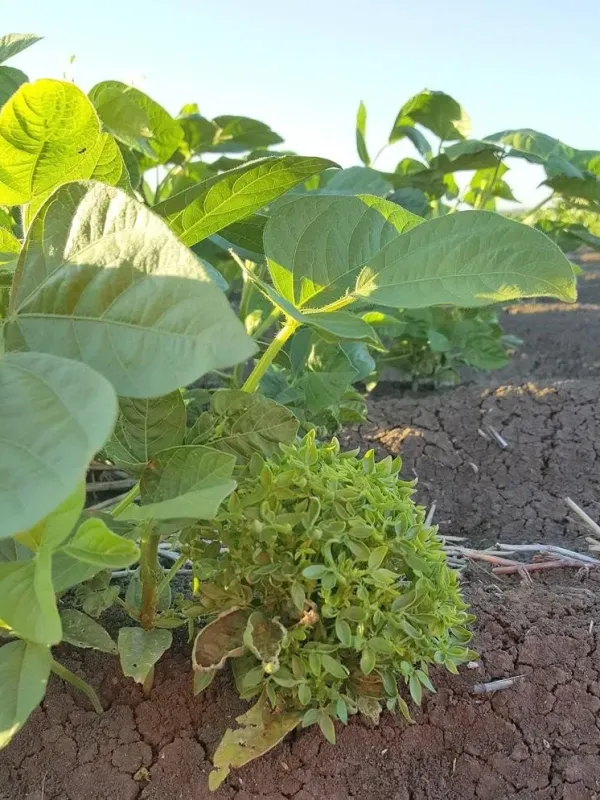
Symptoms of phytoplasma infection are often referred to as 'yellows' diseases. Common signs include leaf yellowing, stunting, shortening of internodes, and the development of excessive, thin, stunted shoots known as 'witches' brooms'.
Additional indicators include virescence (greening of flower petals), phyllody (transformation of floral parts into leaf-like structures), and sterility. Infected plants may exhibit a general decline in vigor, eventually failing to produce marketable fruits or seeds.
Control measures
Control strategies focus primarily on breaking the transmission cycle by managing insect vector populations with effective insecticides. Implementing a robust monitoring program to detect the presence of leafhoppers is critical for timely intervention.
Cultural practices such as rogueing (removing and destroying) infected plants, using certified pathogen-free propagation material, and controlling weed reservoirs around fields are essential components of an integrated pest management program.
Causes diseases · 4
Discussion
No discussions yet — be the first.