
Pectobacterium
Pectobacterium
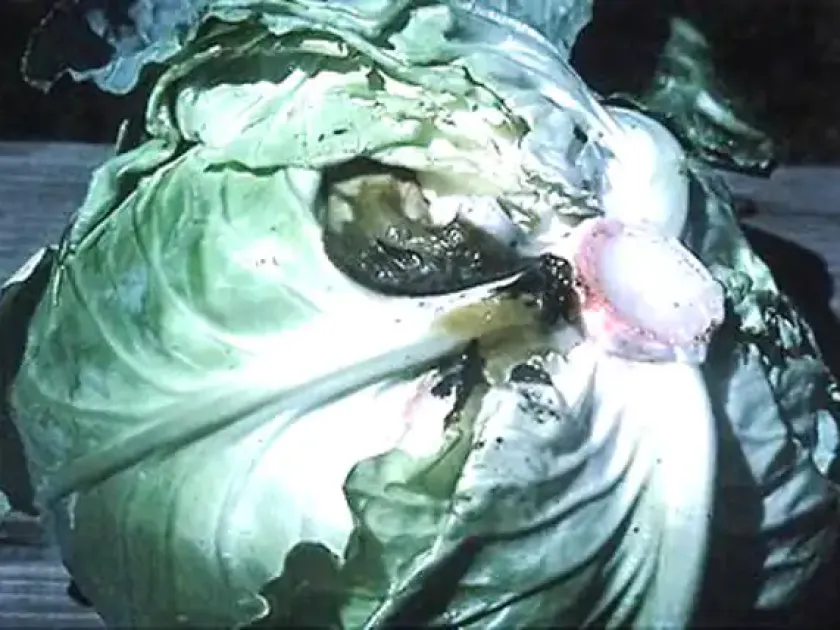
Description
How to identify
Pectobacterium is a genus of Gram-negative, facultative anaerobic bacteria within the Pectobacteriaceae family, widely recognized as a major cause of soft rot diseases in crops.
These bacteria produce a wide array of plant cell wall-degrading enzymes, primarily pectinases, which break down the pectin holding plant cells together, leading to tissue maceration.
They are highly motile due to peritrichous flagella, allowing them to swim through water films on plant surfaces or in soil environments, actively seeking entry points into plant tissues.
The pathogen is ubiquitous and can survive in soil, on crop residues, and in infested seeds or tubers, often remaining in a latent state until environmental conditions become favorable.
Identification of the species often requires sophisticated laboratory techniques, including PCR and serological assays, as the symptoms caused by different species can appear identical in the field.
What it damages
This pathogen has a very broad host range, causing significant damage to many economically important crops, including potatoes, carrots, onions, tomatoes, and various cruciferous vegetables.
In potatoes, Pectobacterium is the primary causal agent of blackleg and soft rot, which can destroy standing crops and lead to massive losses in storage facilities worldwide.
The damage manifests as a rapid breakdown of plant tissue, where affected areas turn into a watery, mushy mass, often accompanied by an unpleasant and pungent smell.
Bacteria exploit wounds caused by insects, mechanical farm operations, or environmental stress, infiltrating the plant's vascular system or parenchyma tissue to colonize and spread.
Economic impact is severe not only because of direct yield loss but also due to the deterioration of produce quality, making it unsuitable for market or long-term storage.
When it appears
Disease development is highly dependent on environmental conditions, with high humidity and moderate temperatures being the primary drivers for Pectobacterium outbreaks.
Warm conditions, typically between 20°C and 28°C, paired with water-saturated soil, create the perfect anaerobic environment for the rapid multiplication of the bacteria.
Storage facilities are especially vulnerable when temperature fluctuations cause condensation to form on produce surfaces, allowing the bacteria to thrive and move between healthy and diseased units.
During the growing season, heavy rainfall or over-irrigation can trigger the spread of the pathogen, as the resulting soil waterlogging weakens the plant's natural defenses.
Harvesting during wet weather is particularly dangerous, as the bacteria are easily transferred via soil and water films onto the fresh wounds of newly harvested vegetables.
Signs of infestation
The hallmark sign of an infection is the rapid maceration of plant tissues, which lose their structural integrity and turn into a soft, gelatinous mass.
Affected stems often show distinct black, water-soaked lesions near the base, eventually causing the plant to wilt and collapse in a short period of time.
- Water-soaked lesions on roots, stems, and tubers.
- Rapid yellowing and subsequent wilting of leaves.
- Pungent odor emanating from decaying plant matter.
- Slimy, clear, or brownish exudate on the surface of lesions.
- Total collapse of internal tissue structure in harvested produce.
In late stages, the tissue becomes completely liquefied, making it impossible for the plant or vegetable to recover or remain stored safely.
Control measures
Management strategies focus on sanitation and preventive measures, such as the use of disease-free, certified seeds and tubers, which is critical for reducing initial inoculum.
Implementing a strict crop rotation cycle—avoiding susceptible hosts for at least 3 to 5 years—can significantly decrease the bacterial population in the soil.
Controlling insect pests that feed on roots and tubers is essential, as these pests act as direct vectors and create necessary wounds for bacterial entry.
Post-harvest care involves thorough drying of produce and storing it in well-ventilated, temperature-controlled environments to inhibit bacterial growth and secondary contamination.
Chemical control options are limited; therefore, integrated pest management approaches, including soil drainage improvement and careful handling during harvest, are the most effective tactics.
Causes diseases · 2
Discussion
No discussions yet — be the first.