
Dickeya chrysanthemi
Dickeya chrysanthemi
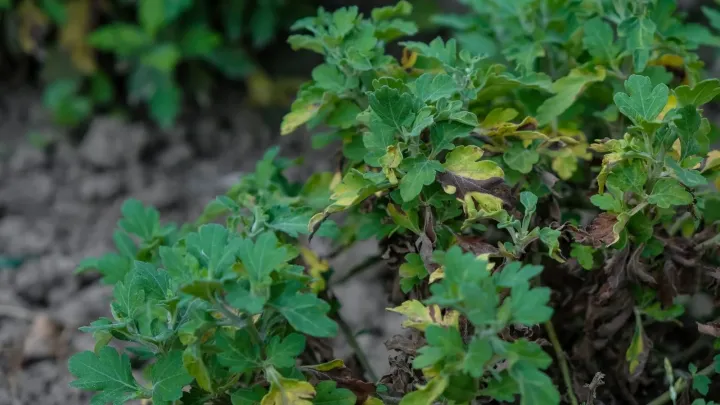
Description
How to identify
Dickeya chrysanthemi is a Gram-negative, facultative anaerobic bacterium in the family Pectobacteriaceae. It is a highly destructive phytopathogen known for its ability to cause severe soft rot in a wide variety of plants.
The bacterium is recognized for its potent secretion of plant cell wall-degrading enzymes, particularly pectinases. These enzymes break down the middle lamella between plant cells, resulting in rapid tissue collapse and maceration.
What it damages
This pathogen impacts a broad range of hosts, including ornamentals like chrysanthemums, geraniums, and dahlias, as well as essential crops like potatoes and various vegetables. It is particularly devastating in greenhouse environments.
Economic damage occurs not only through direct plant death but also through the rejection of contaminated nursery stock. Infected material acts as a primary source of inoculum for future propagation cycles.
When it appears
Optimal conditions for Dickeya chrysanthemi development include warm temperatures (25°C to 30°C) and high humidity. In enclosed environments, the pathogen can thrive year-round if hygiene standards are ignored.
Transmission occurs primarily through contaminated water, infested soil, and mechanical contact. Tools used for pruning or propagation are high-risk vectors for spreading the bacteria between healthy and infected plants.
Signs of infestation
Symptoms often appear rapidly, frequently starting as wilting of the younger leaves during the day that may recover at night. As the infection progresses, the plant loses its ability to recover.
- Systemic wilting accompanied by stunted growth.
- Water-soaked, necrotic lesions on stems and leaves.
- Internal vascular tissue turning brown or black.
- Total breakdown of the plant into a mushy, foul-smelling mass.
Control measures
Integrated management is essential, focusing on strict sanitation. All tools must be disinfected frequently, and workers should wash their hands when moving between different plant batches to avoid cross-contamination.
Cultural control strategies involve ensuring proper drainage, preventing overhead irrigation, and maintaining healthy mother plant stocks tested for bacterial pathogens. There are no highly effective chemical cures once the plant is systemically infected.
Causes diseases · 4
Discussion
No discussions yet — be the first.