
Description
Symptoms
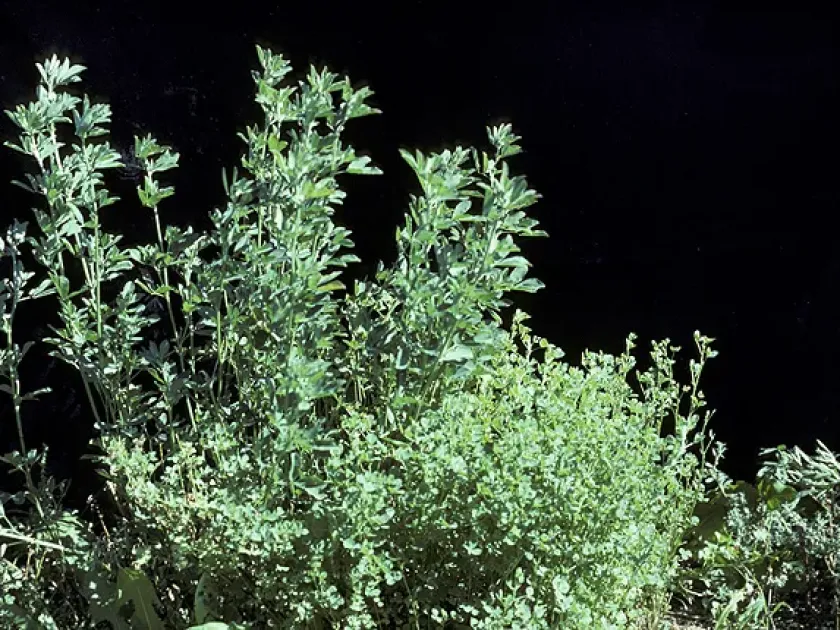
The most distinctive symptom is the proliferation of thin, weak, and stunted stems, which creates a crowded, broom-like appearance of the plant.
Flower deformation, specifically virescence, is frequently observed where petals turn into leaf-like structures, making the flowers sterile.
Leaves on infected plants are often significantly smaller than normal, exhibiting chlorosis or yellowing along the margins.
Roots show stunted growth, resulting in poor vigor and reduced biomass production compared to healthy alfalfa stands.
The overall growth of the plant is stunted, and it may fail to reach maturity, eventually leading to plant death after one or two seasons.
Pathogen
The causative agent of this disease is the phytoplasma Candidatus Phytoplasma asteris, a specialized wall-less bacterium infecting the phloem.
This pathogen depends entirely on its host and specific insect vectors for survival and dissemination within the environment.
The phytoplasma disrupts the plant's metabolic pathways by diverting nutrients, leading to systemic infection throughout the alfalfa tissues.
It overwinters in the roots of perennial weed hosts, which serve as a continuous reservoir for reinfection of alfalfa fields each spring.
The biological nature of the pathogen makes it resistant to conventional fungicides, requiring a focus on vector control and host management.
Conditions for development
The transmission is primarily carried out by leafhoppers, which ingest the phytoplasma from infected plants and inject it into healthy ones.
Warm and dry climatic conditions are ideal for the development of leafhopper populations, increasing the rate of disease spread in the field.
Fields located near uncultivated areas or roadsides with abundant weeds are at a higher risk of infestation by the insect vectors.
Stress factors such as drought or nutritional imbalances in the soil can make the alfalfa more susceptible to the vector-borne phytoplasma.
The presence of overlapping generations of vectors throughout the growing season ensures a continuous cycle of infection within the crop.
Why it matters
The disease causes a dramatic reduction in forage yield and quality, rendering the affected harvest unsuitable for animal feed.
Infected stands experience high rates of plant mortality, which leads to thinning of the crop and subsequent encroachment of invasive weeds.
Seed production is completely decimated in heavily affected fields because the malformed flowers fail to produce viable seeds.
The economic impact is severe, as the lifespan of the alfalfa stand is significantly shortened, necessitating early field replanting.
Field-level losses can lead to total crop failure, impacting the overall profitability of the farming enterprise for the entire season.
Protection
Effective management begins with the use of high-quality, certified seeds and avoiding the introduction of infected planting material.
Regular insecticide applications are necessary to suppress leafhopper populations and prevent the transmission of the phytoplasma to healthy plants.
Maintaining a clean field perimeter by eliminating weeds is crucial to remove the reservoirs that harbor both the pathogen and the insect vectors.
Crop rotation and keeping proper distance between old, infected alfalfa fields and new plantings help in preventing the spread of the disease.
Monitoring for early signs of symptoms and removing infected plants or entire infested patches can help in containing local outbreaks.
Pathogens and affected parts
Affects crops · 1
Discussion
No discussions yet — be the first.