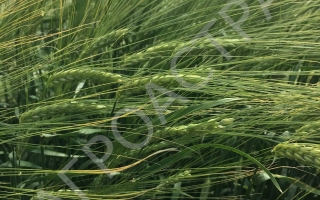
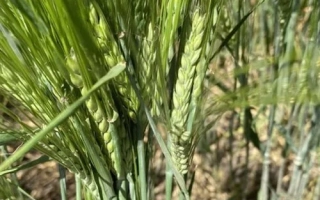
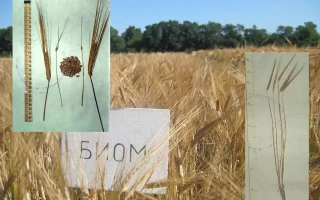
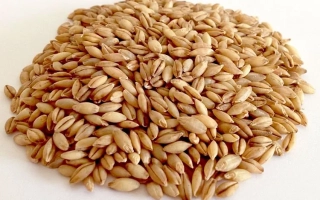
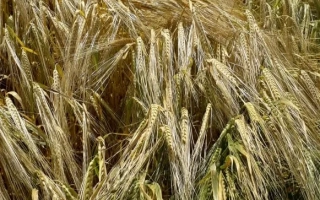
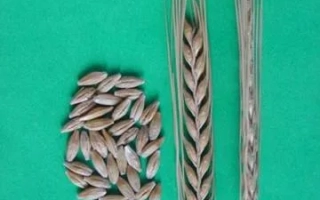
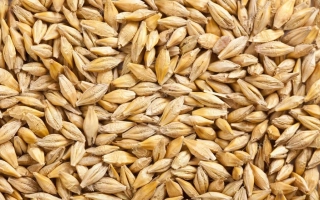
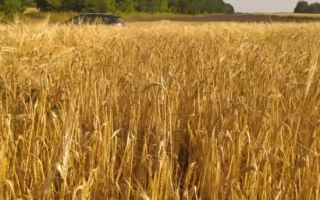
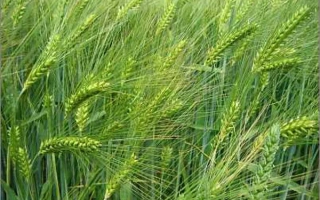
NATALI is a medium-early spring barley (Hordeum vulgare L.) variety, distinguished by its high grain quality. The vegetative period ranges from 70 to 84 days, with ripening occurring 1-2 days later than varieties such as Donetsk 8, Signal, and Omsk 87. The plant is medium-height with a semi-erect bush, featuring a cylindrical loose ear with a strong waxy coating and long barbed awns. The grain is large, with an unpubescent abdominal groove and an embracing lodicule, and the mass of 1000 grains varies from 45 to 54 grams. The variety exhibits good drought resistance, comparable to Donetsk 8.
NATALI is recommended for cultivation in the Ural and Western Siberia regions, including the Orenburg region and the Altai Krai. The average yield in these regions is approximately 23.7 centners per hectare, with maximum records reaching 59.2 centners per hectare in the Tyumen region. Protein content in the grain ranges from 12.0% to 17.7%, making this variety particularly valuable for fodder and food use.
Barley as a crop is widely used not only in the food industry but also in the technical sector and as nutritious feed due to its high starch and protein content. When growing the NATALI variety, it is important to consider climatic conditions, as barley is sensitive to cold, excess moisture, lack of oxygen, and high temperatures, which can negatively affect grain quality. Rational planning and adherence to agronomic requirements allow for the most effective use of this variety's potential.