


SKU #60597
·
45 views
JASTREB
Barley
User rating
0 votes0% positive reviews
No ratings yet — be the first.
Plant Type
Spring barley
Plant Height
50-60cm
Vegetation Period (Maturity)
80-90 days
Seed; mass 1.000seeds
44-46 grams, 46-48 grams, 48-50 grams
Prices in stores
from4.94 €per 1 kg
pack from 48.52 € per pack
2 offers from 2 stores
Store offers · 2 from 2 stores
Prices are updated on loadLoading offers…
Available at: АгроАнталь · Agronizer
Aggregator catalog: prices are collected automatically from store websites, normalized by AI and converted at the current exchange rate. Before ordering, confirm the price and availability on the store's website. This block is not indexed by search engines — the data is loaded after the page opens.
About product

JASTREB barley represents a mid-late maturing grain forage variety created by individual selection from a hybrid population and recommended for cultivation in the Central Volga region, specifically in the Samara region. The vegetative period is 72-84 days, which is slightly later compared to the Preria variety. Plants are medium height with a height of about 55-58 cm, have a cylindrical, loose spi…
Plant Type
Spring barley
Plant Height
50-60cm
Vegetation Period (Maturity)
80-90 days
Seed; mass 1.000seeds
44-46 grams, 46-48 grams, 48-50 grams
Description
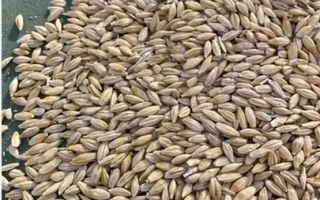
JASTREB barley represents a mid-late maturing grain forage variety created by individual selection from a hybrid population and recommended for cultivation in the Central Volga region, specifically in the Samara region. The vegetative period is 72-84 days, which is slightly later compared to the Preria variety. Plants are medium height with a height of about 55-58 cm, have a cylindrical, loose spike with long awns and strong anthocyanin coloring. Mass of 1000 grains varies from 44 to 53 grams, the grain is very large, with a smooth abdominal furrow and a surrounding lodicule. Average yield in the region reaches about 28.9 c/ha, with maximum indicators up to 58.6 c/ha, which confirms the high adaptive potential of the variety. The JASTREB variety is characterized by good resistance to lodging, surpassing the Preria variety in this indicator, as well as moderate drought resistance, comparable to other standard varieties. It has moderate resistance to solid loose smut, but is susceptible to dusty loose smut, helminthosporiosis, root rots, and stem rust. Protein content in grain is in the range of 11.9-15.5%, which makes it valuable for grain forage use. Natural grain mass is about 650 g/l, and protein content exceeds standard indicators, which positively affects the quality of feed raw materials. Elite seeds of the JASTREB variety, grown in the seed farm «Karmala» in the Samara region, undergo strict quality control and genetic purity, which ensures high germination and growth energy. Seeds are adapted to the soil and climatic conditions of the region, have increased resistance to drought, diseases, and frosts. Before sowing, seeds are treated with effective preparations, which protects plants from diseases and pests, reducing costs for crop protection. Use of these seeds in agrotechnology contributes to increased yield and production stability.
Crop & resistance
Crop
Disease resistance
Specifications
| Plant Type | |
|---|---|
| Plant Height | 50-60cm |
| Vegetation Period (Maturity) | 80-90 days |
| Seed; mass 1.000seeds | 44-46 grams, 46-48 grams, 48-50 grams |
| Grain; Nitrogenous substances content in dry residue, % | 11, 12 |
| Registration year | 2008 |
| Catalog | Catalog → Barley |
| Legal data |
Show · 10
|
| Country | Russia |
Not yet комментариев. Be the first!
Alternatives
Barley seeds · similar varieties





See also
Often considered together with this variety




Recently viewed
Products you’ve viewed on this site
Reviews · 0