


SKU #37119
·
66 views
Pochaina
Wheat
User rating
0 votes0% positive reviews
No ratings yet — be the first.
Type of Development
Winter wheat
Wheat Type
Hard wheat
Ostistost'
Ostistaya
Growing Season
260-270 days
About product

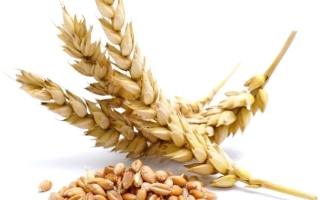
Winter wheat variety Pocharina is a medium-maturing, intensive variety recommended for cultivation in forest-steppe and steppe zones. The maturation period is approximately 268-279 days, and plant height varies from 82 to 92 cm. The ear is cylindrical, medium density, covered with awns along its entire length. The grain is egg-shaped, red in color, distinguished by high crude gluten content (appro…
Type of Development
Winter wheat
Wheat Type
Hard wheat
Ostistost'
Ostistaya
Growing Season
260-270 days
Description
Winter wheat variety Pocharina is a medium-maturing, intensive variety recommended for cultivation in forest-steppe and steppe zones. The maturation period is approximately 268-279 days, and plant height varies from 82 to 92 cm. The ear is cylindrical, medium density, covered with awns along its entire length. The grain is egg-shaped, red in color, distinguished by high crude gluten content (approximately 27.4-28.7%) and protein (about 13-13.6%), ensuring excellent baking qualities. Dough strength ranges from 265-350 BU, and loaf volume from 100 g of flour reaches 980-1300 ml, indicating high product quality. The variety exhibits enhanced winter hardiness and drought resistance, expanding its cultivation potential across various regions. Pocharina is resistant to lodging, shattering, and major diseases such as powdery mildew, brown rust, Fusarium ear blight, and cercosporosis. To maintain stable yields and high grain quality, fungicide protection should be applied after emergence and during heading, as well as retardants on fields with high mineral nutrition to prevent lodging. For optimal growth and high yields, the variety requires balanced mineral nutrition, including three applications of fertilizers during spring-summer and urea top-dressing during milk ripeness. Seeding rate is 5.0-6.0 million germinating seeds per hectare, depending on zone and soil moisture; sowing is recommended in the latter half of the optimal period, typically the latter half of September. Due to its agronomic and technological characteristics, Pocharina is a reliable choice for obtaining high-quality grain and stable yields.
Crop & resistance
Crop
Disease resistance
Specifications hover over for a hint about the specification
| Type of Development | |
|---|---|
|
Wheat Type
Wheat Type
Biologically hard wheat differs from soft wheat in its greater demand for soil fertility and agronomic conditions (especially regarding field cleanliness from weeds), lower drought resistance and plasticity, relatively weaker root development, especially nodal roots, and lower ti... |
|
| Ostistost' | |
| Growing Season | 260-270 days |
| Plant; height | 80-90 cm |
|
Grain: gluten content
Grain: gluten content
Raw gluten of grain is a hydrated protein and consists of water-insoluble protein fractions, as well as a small amount of starch, fats, and other substances firmly bound by proteins. Since gluten is primarily composed of proteins, its yield and quality depend on the quantity and... |
25-30% |
| Resistance to lodging | |
| Registration year | 2018 |
| Catalog | Catalog → Wheat |
| Legal data |
Show · 1
|
| Country | Ukraine |
Store offers
Prices are updated on loadLoading offers…
Aggregator catalog: prices are collected automatically from store websites, normalized by AI and converted at the current exchange rate. Before ordering, confirm the price and availability on the store's website. This block is not indexed by search engines — the data is loaded after the page opens.
Not yet комментариев. Be the first!
Alternatives
Wheat seeds · similar varieties





See also
Often considered together with this variety



Recently viewed
Products you’ve viewed on this site
Reviews · 0