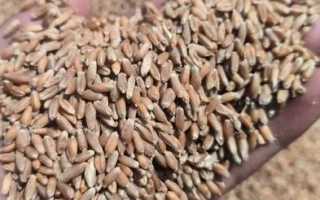
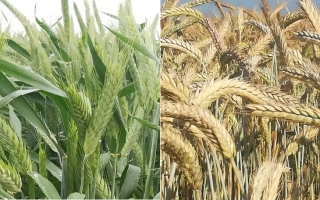
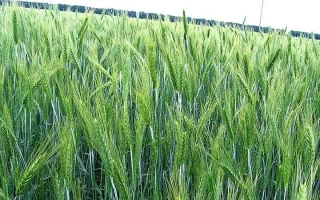
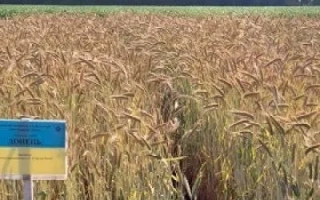
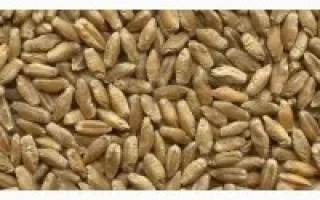
Triticale Amphidiploid 44 is a selective form of triticale created by doubling chromosomes in a hybrid plant of wheat and rye. This variety belongs to the medium-late maturity groups and is recommended for planting in various climatic zones of Ukraine, including the Polissia, Forest Steppe, and Steppe. Amphidiploid 44 is distinguished by high winter hardiness, large ears, and increased number of spikelets, which contribute to stable yield and grain quality.
The grain quality of triticale Amphidiploid 44 is characterized by high protein and lysine content, as well as increased fiber levels, making it especially valuable for feed production. The variety is widely used in agriculture for producing green mass, silage, and hay, ensuring effective animal feeding. High grain quality also allows its use in producing grains and feeds with improved nutritional properties.
The creation and development of the Amphidiploid 44 variety are the result of long-term research in triticale selection and genetics, aimed at enhancing adaptability, yield, and resistance to adverse conditions. Since 1950, the selection laboratory has successfully developed new triticale varieties with improved baking and feed characteristics, confirming the high efficiency and prospects of using Amphidiploid 44 in agricultural production.