


SKU #48995
·
59 views
Tomato L-28-18
Tomato
User rating
0 votes0% positive reviews
No ratings yet — be the first.
Product Type
Seeds; Seed material
Maturation Period
100-120 days
Fruit Weight
More than 200 grams
Fruit Shape
Flat-round
About product

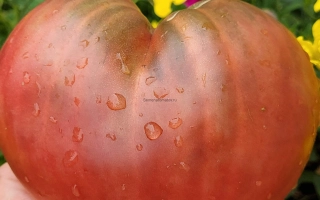
Tomato L-28-18 is a medium-ripening variety with a maturation period of 100 to 115 days. Plants reach a height of 1.1 to 1.5 meters and form clusters with 2-3, sometimes up to 4-5 fruits. Fruits are large, weighing 400 to 600 grams, with individual specimens reaching up to 800 grams. They have a flat-conical shape, bright red color, smooth surface, and fleshy texture, making this variety one of th…
Product Type
Seeds; Seed material
Maturation Period
100-120 days
Fruit Weight
More than 200 grams
Fruit Shape
Flat-round
Description
Tomato L-28-18 is a medium-ripening variety with a maturation period of 100 to 115 days. Plants reach a height of 1.1 to 1.5 meters and form clusters with 2-3, sometimes up to 4-5 fruits. Fruits are large, weighing 400 to 600 grams, with individual specimens reaching up to 800 grams. They have a flat-conical shape, bright red color, smooth surface, and fleshy texture, making this variety one of the best for salads due to its excellent taste qualities.
For successful cultivation of tomato L-28-18, certain conditions are required. The plant is demanding in terms of light and prefers southern slopes protected from northern winds. The optimal soil acidity is 6.0-6.7, and tomatoes grow better on light soils with neutral or slightly acidic reaction. Acidic soils should be limed every 3-4 years. During the period of mass fruit formation, tomatoes require regular watering, but they do not tolerate high air humidity or water on leaves, which can lead to fungal diseases. Excessive humidity in the absence of sufficient heat promotes excessive shoot growth at the expense of fruiting.
Growing seedlings requires careful seed preparation, including calibration, disinfection, and stimulation. Seeds germinate at a temperature of about +15 °C, and the optimal temperature for seedling cultivation varies from 18 to 27 °C depending on the growth stage. Seedlings are transplanted into open ground in mid-June, planted up to the cotyledon leaves and arranged according to the maturity schedule of the variety. Care for tomatoes includes mineral and organic fertilizer applications, pinching out side shoots, and disease prevention using folk remedies and proper watering regimes. To improve fruit set, non-root feedings with borax are applied and pollinators are attracted using natural traps.
For successful cultivation of tomato L-28-18, certain conditions are required. The plant is demanding in terms of light and prefers southern slopes protected from northern winds. The optimal soil acidity is 6.0-6.7, and tomatoes grow better on light soils with neutral or slightly acidic reaction. Acidic soils should be limed every 3-4 years. During the period of mass fruit formation, tomatoes require regular watering, but they do not tolerate high air humidity or water on leaves, which can lead to fungal diseases. Excessive humidity in the absence of sufficient heat promotes excessive shoot growth at the expense of fruiting.
Growing seedlings requires careful seed preparation, including calibration, disinfection, and stimulation. Seeds germinate at a temperature of about +15 °C, and the optimal temperature for seedling cultivation varies from 18 to 27 °C depending on the growth stage. Seedlings are transplanted into open ground in mid-June, planted up to the cotyledon leaves and arranged according to the maturity schedule of the variety. Care for tomatoes includes mineral and organic fertilizer applications, pinching out side shoots, and disease prevention using folk remedies and proper watering regimes. To improve fruit set, non-root feedings with borax are applied and pollinators are attracted using natural traps.
Crop & resistance
Crop
Specifications hover over for a hint about the specification
| Product Type | |
|---|---|
|
Maturation Period
Maturation Period
Vegetation period from emergence to technical maturity 30-50 days. |
100-120 days |
|
Fruit Weight
Fruit Weight
Tomato fruits are classified by weight as: very small — less than 20 grams; small — 20 — 50 grams; medium — 50 — 100 grams; large — 100 — 200 grams; very large — more than 200 grams. |
More than 200 grams |
|
Fruit Shape
Fruit Shape
Modern tomato varieties have a diverse fruit shape: flat, flat-round, round, oval, elongated-oval, pear-shaped, plum-shaped, cube-shaped, and cylindrical. On poorly fertile soils and under unfavorable growing conditions, tomato fruits may take on a more rounded shape. |
|
|
Fruit Color
Fruit Color
The fruit color of tomato varieties is influenced by the combination of skin and flesh color. Some varieties have transparent skin, others — yellow. When combined differently, the fruits can acquire quite diverse colors. The fruit color is affected by pigments (lycopene) and thei... |
|
| Registration year | 2025 |
| Catalog | Catalog → Tomato |
| Country | Russia |
Store offers
Prices are updated on loadLoading offers…
Aggregator catalog: prices are collected automatically from store websites, normalized by AI and converted at the current exchange rate. Before ordering, confirm the price and availability on the store's website. This block is not indexed by search engines — the data is loaded after the page opens.
Not yet комментариев. Be the first!
Alternatives
Tomato seeds · similar varieties





See also
Often considered together with this variety



Recently viewed
Products you’ve viewed on this site
Reviews · 0