
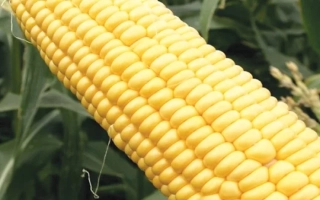


SKU #68325
·
41 views
AMMONIA
Sweet Corn
Malopolska Hodowla Roslin-HBPUser rating
0 votes0% positive reviews
No ratings yet — be the first.
Assignment
For Fresh Consumption
Type
Supersweet (Sh2)
Endosperm type
SH2
Registration year
2014
Prices in stores
from2.87 €per 1000 seeds
pack from 0.09 € per 500 g
2 offers from 1 store
Store offers · 2 from 1 stores
Prices are updated on loadLoading offers…
Available at: Веснодар
Aggregator catalog: prices are collected automatically from store websites, normalized by AI and converted at the current exchange rate. Before ordering, confirm the price and availability on the store's website. This block is not indexed by search engines — the data is loaded after the page opens.
About product

A high-performance SH2 supersweet hybrid corn, specifically bred for exceptional freshness and market-ready quality.
Assignment
For Fresh Consumption
Type
Supersweet (Sh2)
Endosperm type
SH2
Registration year
2014
Description
Premium quality for the fresh market: The Ammonia hybrid
For growers targeting the fresh produce sector, the choice of a hybrid is the most critical decision in the planting calendar. Ammonia, a SH2 (supersweet) hybrid from the Polish breeder Malopolska Hodowla Roslin-HBP, is designed specifically for those who prioritize superior taste and market presentation.
Why SH2 genetics matter
The SH2 endosperm type is the gold standard for fresh-market sweet corn. Unlike standard varieties, Ammonia retains its sugars for an extended period after harvest, preventing the conversion to starch. This characteristic is vital for maintaining the farm-to-shelf appeal that retail buyers demand.
Practical application and management
Ammonia is best utilized in farming operations that follow high-intensity management practices:
- Fresh Market Logistics: The hybrid’s stability ensures that the product reaches the end consumer with the sweetness and tenderness intact.
- Market Differentiation: With its uniform cob size and high grain quality, it stands out in competitive retail environments.
- Agronomic Strategy: The variety responds well to precision irrigation and targeted fertilization, allowing growers to maximize yield potential per hectare.
When incorporating Ammonia into your planting schedule, ensure proper spatial isolation from other corn types to maintain the integrity of the SH2 genetics. For agricultural businesses focused on professional vegetable production, Ammonia serves as a reliable asset to capture high-value fresh market contracts.
Specifications hover over for a hint about the specification
| Assignment | |
|---|---|
|
Type
Type
Galia (Galia) type — relatively new, of Israeli origin, although there are indications that this variety may originate from Spain. The fruits of this type are round or oval, weighing about 1 kg. The surface is smooth, covered with a delicate, connected netting, turning yellow whe... |
|
| Endosperm type | |
| Registration year | 2014 |
| Catalog | Catalog → Sweet Corn |
| Manufacturer | Malopolska Hodowla Roslin-HBP |
| Country | Poland |
Not yet комментариев. Be the first!
Alternatives
Sweet corn seeds · similar varieties


See also
Often considered together with this variety





Recently viewed
Products you’ve viewed on this site
Reviews · 0