
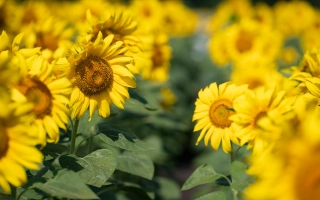


SKU #35900
·
54 views
Josefina
Sunflower
SaatbauUser rating
0 votes0% positive reviews
No ratings yet — be the first.
Oil Content
50-55%
Seeds; size
Large
Plant; height
160-170 cm
Basket; size
Large
Prices in stores
from426 €per 1 kg
pack from 0.11 € per 0.25 g
2 offers from 2 stores
Store offers · 2 from 2 stores
Prices are updated on loadLoading offers…
Available at: Agro-market · Agroretail · Летичев-Сад
Aggregator catalog: prices are collected automatically from store websites, normalized by AI and converted at the current exchange rate. Before ordering, confirm the price and availability on the store's website. This block is not indexed by search engines — the data is loaded after the page opens.
About product

Josefina sunflower is a high-yielding hybrid adapted for cultivation in various climatic conditions. It features high resistance to drought, cold, and major diseases, ensuring stable yields even under adverse weather conditions. The seeds have a high oil content, making this sunflower particularly valuable for the oil industry. Recommended planting rates vary depending on soil moisture levels, all…
Oil Content
50-55%
Seeds; size
Large
Plant; height
160-170 cm
Basket; size
Large
Description
Josefina sunflower is a high-yielding hybrid adapted for cultivation in various climatic conditions. It features high resistance to drought, cold, and major diseases, ensuring stable yields even under adverse weather conditions. The seeds have a high oil content, making this sunflower particularly valuable for the oil industry. Recommended planting rates vary depending on soil moisture levels, allowing for optimized seeding according to regional conditions.
The Josefina hybrid is characterized by uniform flowering and maturation, which promotes good seed set and high yield. Plant height reaches 160-170 cm, and the flower head diameter is 19-24 cm, facilitating harvest. The 1000-seed mass is about 65 g, indicating seed size and quality. The potential yield reaches 4.8 t/ha, and the oil content in seeds is approximately 51%, meeting high oil standards.
Special attention has been paid to the hybrid's resistance to diseases, including false powdery mildew, fusarium, fusarium, and dry rot, as well as to various races of pathogens. This significantly reduces the risk of yield loss and decreases the need for intensive chemical protection. The Josefina sunflower is suitable for cultivation using modern technologies, including herbicides, and is recommended for all regions with different climatic conditions, making it a versatile and reliable choice for farmers.
The Josefina hybrid is characterized by uniform flowering and maturation, which promotes good seed set and high yield. Plant height reaches 160-170 cm, and the flower head diameter is 19-24 cm, facilitating harvest. The 1000-seed mass is about 65 g, indicating seed size and quality. The potential yield reaches 4.8 t/ha, and the oil content in seeds is approximately 51%, meeting high oil standards.
Special attention has been paid to the hybrid's resistance to diseases, including false powdery mildew, fusarium, fusarium, and dry rot, as well as to various races of pathogens. This significantly reduces the risk of yield loss and decreases the need for intensive chemical protection. The Josefina sunflower is suitable for cultivation using modern technologies, including herbicides, and is recommended for all regions with different climatic conditions, making it a versatile and reliable choice for farmers.
Crop & resistance
Crop
Disease resistance
Устойчивость к заразихе
Specifications
| Oil Content | 50-55% |
|---|---|
| Seeds; size | |
| Plant; height | 160-170 cm |
| Basket; size | |
| Registration year | 2016 |
| Catalog | Catalog → Sunflower |
| Manufacturer | Saatbau |
| Country | Austria |
Not yet комментариев. Be the first!
Alternatives
Sunflower seeds · similar varieties




See also
Often considered together with this variety


Recently viewed
Products you’ve viewed on this site
Reviews · 0