


SKU #35670
·
56 views
Hazar
Sunflower
User rating
0 votes0% positive reviews
No ratings yet — be the first.
Vegetation Period
90-100 days
Herbicide Tolerance
Euro-Lightning
Registration year
2014
About product

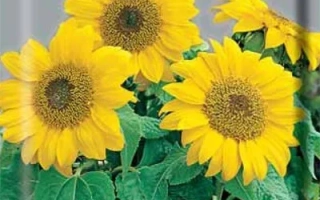
Early-maturing sunflower hybrid designed for Euro-Lightning herbicide tolerance and high resistance to major fungal diseases.
Vegetation Period
90-100 days
Herbicide Tolerance
Euro-Lightning
Registration year
2014
Description
Focusing on Speed and Weed Control
«Khazar» is a strategic tool for farmers operating in fields with heavy weed pressure and moisture constraints. Developed by the Institute of Oilseed Crops of NAAS of Ukraine, this sunflower hybrid is engineered for a rapid harvest cycle. With a vegetation period of 90–100 days, it sits firmly in the early-maturing segment, allowing growers to complete harvesting before the weather risks of late summer set in.
Genetic and Chemical Resilience
The defining advantage of «Khazar» over traditional sunflower varieties is its tolerance to Imidazolinone herbicides (Clearfield/«Euro-Lightning» system). This makes it an ideal choice for fields infested with broomrape or perennial grasses that standard soil-applied herbicides cannot suppress. You no longer have to sacrifice crop development for field cleanliness; this hybrid withstands high chemical pressure while maintaining its inherent disease resistance.
Phytosanitary Defense
The breeding program at the Institute of Oilseed Crops is specifically tailored to Ukrainian soil conditions. The hybrid shows robust resistance to a range of region-specific pathogens:
- Downy Mildew (Peronosporosis): A reliable barrier against fungal leaf damage.
- Phomopsis and Phoma: High resistance to these fungal diseases reduces the risk of stem lodging and maintains head quality during wet harvest seasons.
Is this hybrid right for you?
«Khazar» is not aimed at record-breaking yields on elite soil, but rather at consistency under stress. It is best suited for farms utilizing intensive crop protection technologies and for regions where a short growth cycle is essential to avoid end-of-season rains. If your priority is managed field hygiene, predictable disease resistance, and a fast turnaround from planting to harvest, this hybrid is a sound investment.
Crop & resistance
Crop
Disease resistance
Устойчивость к заразихе
Specifications hover over for a hint about the specification
| Vegetation Period | 90-100 days |
|---|---|
|
Herbicide Tolerance
Herbicide Tolerance
Unique combination of the herbicide EURO-LIGHTNING®, containing two active ingredients of the imidazolinone class, and high-yielding hybrids resistant to this herbicide, developed using traditional selection methods (without genetic engineering). Advantages of using CLEARFIELD te... |
|
| Registration year | 2014 |
| Catalog | Catalog → Sunflower |
| Legal data |
Show · 1
|
| Country | Ukraine |
Store offers
Prices are updated on loadLoading offers…
Aggregator catalog: prices are collected automatically from store websites, normalized by AI and converted at the current exchange rate. Before ordering, confirm the price and availability on the store's website. This block is not indexed by search engines — the data is loaded after the page opens.
Not yet комментариев. Be the first!
Alternatives
Sunflower seeds · similar varieties





See also
Often considered together with this variety






Recently viewed
Products you’ve viewed on this site
Reviews · 0