


SKU #57700
·
29 views
A 61
Sunflower
Sanflauer LLCUser rating
0 votes0% positive reviews
No ratings yet — be the first.
Hybrid Type
Simple Hybrid
Oil Content
50-55%
Seeds; size
Large
Vegetation Period
100-110 days
About product

Sunflower A 61 is a high-yielding, simple modified hybrid with high resistance to various strains of downy mildew (A-G+) and a range of diseases, including false powdery mildew, gray and white mold, and rust. This hybrid is tolerant to the herbicide tribenuron-methyl (Granstar) when applied once at a rate of 50 g/ha, enabling effective weed control and increased yield. Its high drought tolerance a…
Hybrid Type
Simple Hybrid
Oil Content
50-55%
Seeds; size
Large
Vegetation Period
100-110 days
Description
Sunflower A 61 is a high-yielding, simple modified hybrid with high resistance to various strains of downy mildew (A-G+) and a range of diseases, including false powdery mildew, gray and white mold, and rust. This hybrid is tolerant to the herbicide tribenuron-methyl (Granstar) when applied once at a rate of 50 g/ha, enabling effective weed control and increased yield. Its high drought tolerance and adaptation to adverse climatic conditions make A 61 suitable for cultivation in southern regions and other arid zones.
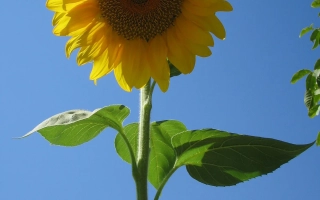
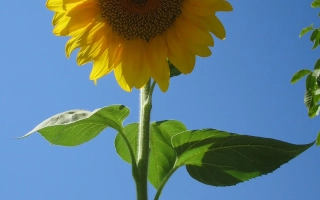
The vegetative period of sunflower A 61 ranges from 107 to 115 days, ensuring timely harvest. Plants reach a height of 165-170 cm, feature large flat heads with a diameter of 18-24 cm, and have high leafiness. The 1000-seed mass is 61-62 grams, with a shell percentage of 99.7% and oil content ranging from 21-22%. Seed oil content is high — 50-52% — ensuring high-quality oil production. The genetic yield potential of this hybrid reaches 60 centners/ha, while average yields from trials amount to approximately 37 centners/ha.
Sunflower A 61 seeds are treated and processed to protect against diseases, promoting successful plant development and reducing yield losses. The recommended planting density is approximately 4 plants per linear meter. The hybrid exhibits low shattering and lodging resistance, facilitating harvest and improving the quality of the collected crop. Due to its characteristics and adaptability, sunflower A 61 is a reliable choice for intensive and sustainable sunflower oil production.
The vegetative period of sunflower A 61 ranges from 107 to 115 days, ensuring timely harvest. Plants reach a height of 165-170 cm, feature large flat heads with a diameter of 18-24 cm, and have high leafiness. The 1000-seed mass is 61-62 grams, with a shell percentage of 99.7% and oil content ranging from 21-22%. Seed oil content is high — 50-52% — ensuring high-quality oil production. The genetic yield potential of this hybrid reaches 60 centners/ha, while average yields from trials amount to approximately 37 centners/ha.
Sunflower A 61 seeds are treated and processed to protect against diseases, promoting successful plant development and reducing yield losses. The recommended planting density is approximately 4 plants per linear meter. The hybrid exhibits low shattering and lodging resistance, facilitating harvest and improving the quality of the collected crop. Due to its characteristics and adaptability, sunflower A 61 is a reliable choice for intensive and sustainable sunflower oil production.
Crop & resistance
Crop
Disease resistance
Устойчивость к заразихе
Specifications hover over for a hint about the specification
| Hybrid Type | |
|---|---|
| Oil Content | 50-55% |
| Seeds; size | |
| Vegetation Period | 100-110 days |
| Plant; height | 160-170 cm |
| Basket; size | |
|
Herbicide Tolerance
Herbicide Tolerance
Unique combination of the herbicide EURO-LIGHTNING®, containing two active ingredients of the imidazolinone class, and high-yielding hybrids resistant to this herbicide, developed using traditional selection methods (without genetic engineering). Advantages of using CLEARFIELD te... |
|
| Registration year | 2024 |
| Catalog | Catalog → Sunflower |
| Manufacturer | Sanflauer LLC |
| Country | Russia |
Store offers
Prices are updated on loadLoading offers…
Aggregator catalog: prices are collected automatically from store websites, normalized by AI and converted at the current exchange rate. Before ordering, confirm the price and availability on the store's website. This block is not indexed by search engines — the data is loaded after the page opens.
Not yet комментариев. Be the first!
Alternatives
Sunflower seeds · similar varieties





See also
Often considered together with this variety





Recently viewed
Products you’ve viewed on this site
Reviews · 0