


SKU #63517
·
61 views
Soybean PROGRESS
Soybean
Prices in stores
No offers yet — stores have not added prices for this product yet.
Similar varieties with prices
-
PROCERA 1020SOYTEK S.R.L.
from 19.77 €
-
 YunkaSevita Genetics
from 159.8 €per 1 kg
YunkaSevita Genetics
from 159.8 €per 1 kg
-
 LarisaIFVCNS (Novi Sad)
from 4.46 €за л
LarisaIFVCNS (Novi Sad)
from 4.46 €за л
-
 Almaz
from 0.48 €per 1 kg
Almaz
from 0.48 €per 1 kg
Growing Season
90-100 days
Plant: plant height
50-60cm
Plant: Height of Lower Pod Attachment
12-14cm
Seeds: oil content
21-22%
Your mark
0 votes
0% positive ratings
Description
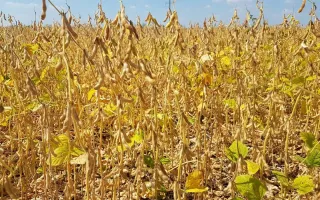
Soya variety «Progress» is a mid-early variety bred by Kazakhstani breeders from the experimental farm of oilseeds. The vegetation period of the variety ranges from 96 to 115 days depending on the region, which allows for harvest at optimal times. Plants are determinate, of medium height — about 52 cm, with characteristic anthocyanin coloring of the hypocotyl and grey pubescence on the main stem. Flowers are purple, and side leaflets have an acutely oval shape. Seeds are yellow, round-elongated, with a dark brown hilum, and pods are light brown, of medium size and slightly curved shape. The «Progress» variety is characterized by high yield, reaching from 14.6 to 35.3 centners per hectare in various regions. The mass of 1000 seeds varies from 138 to 145 grams. Protein content in seeds ranges from 37 to 41%, and fat — about 21%, making this variety valuable for the production of protein and oilseed products. Plants possess resistance to shattering, lodging, and drought, which increases yield stability under unfavorable conditions. The height of attachment of lower pods is about 12 cm, and on average, 12 pods form on one plant. To protect soybean crops of the «Progress» variety from annual dicotyledonous weeds, it is recommended to use a systemic post-emergence herbicide with the active substance thifensulfuron-methyl in the form of granules, dispersible in water. Treatment is carried out at the 1-3 trifoliate leaf stage with a dosage of the preparation of 6-8 g/ha with the addition of a surfactant. Such an approach ensures effective weed destruction and contributes to obtaining a high-quality harvest.
Crop & resistance
Crop
Specifications
| Growing Season | 90-100 days |
|---|---|
| Plant: plant height | 50-60cm |
| Plant: Height of Lower Pod Attachment | 12-14cm |
| Seeds: oil content | 21-22% |
| Seeds: protein content | 37-39% |
| Registration year | 2023 |
| Catalog | Catalog → Soybean |
| Legal data |
Show · 1
|
| Country | Kazakhstan |
No reviews yet. Be the first to share your experience.
Alternatives
Soybean seeds · similar varieties


See also
Often considered together with this variety




Recently viewed
Products you’ve viewed on this site
Reviews