


SKU #63737
·
54 views
IVAN KARAMANOV
Soybean
User rating
0 votes0% positive reviews
No ratings yet — be the first.
Growing Season
140-150 days
Plant; plant height
160-170cm, 170-180cm
Plant: Height of Lower Pod Attachment
12-14cm, 14-16cm, 16-18cm, 18-20cm, 20-22cm
Seeds: oil content
21-22%
About product

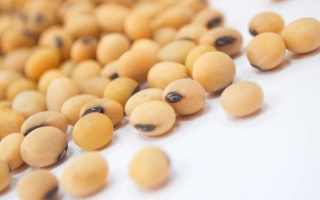
The Ivan Karamanov soybean variety is a mid-late indeterminate variety with a tendency to late maturity in certain years. Plants of this variety have medium or tall growth with reddish-brown stem pubescence, and oval-shaped side leaflets of dark green color, ranging from medium to large in size. The variety's flowers are purple, while the seeds are yellow, spheroid-flattened in shape with a brown…
Growing Season
140-150 days
Plant; plant height
160-170cm, 170-180cm
Plant: Height of Lower Pod Attachment
12-14cm, 14-16cm, 16-18cm, 18-20cm, 20-22cm
Seeds: oil content
21-22%
Description
The Ivan Karamanov soybean variety is a mid-late indeterminate variety with a tendency to late maturity in certain years. Plants of this variety have medium or tall growth with reddish-brown stem pubescence, and oval-shaped side leaflets of dark green color, ranging from medium to large in size. The variety's flowers are purple, while the seeds are yellow, spheroid-flattened in shape with a brown hilum, ranging from medium to large in size, with seed weight varying from 155.4 to 202.1 grams. The height of attachment of the lower pod ranges from 11.2 to 21.5 cm. The variety is resistant to lodging and shattering, which contributes to crop preservation.
Ivan Karamanov is characterized by high potential green mass yield, with an average regional yield of about 19.0 c/ha, and a maximum of 26.6 c/ha. The variety is characterized by intensive growth during the juvenile period, which provides it with increased weed competitiveness. However, it is demanding in terms of hydrothermic regime and soil fertility, so to achieve maximum results, pre-sowing seed treatment with pesticides and stimulants is recommended. In case of delayed maturity, crops require treatment with diflufenican.
The protein content in the seeds of the Ivan Karamanov variety averages 38.2%, and fat content 21.2%, making it valuable for the food and feed industries. The variety is recommended for cultivation in southern areas of Amur Oblast and Khabarovsk Krai, as well as northern areas of Primorsky Krai, which is due to its adaptation to the climatic conditions of the Russian Far East.
Ivan Karamanov is characterized by high potential green mass yield, with an average regional yield of about 19.0 c/ha, and a maximum of 26.6 c/ha. The variety is characterized by intensive growth during the juvenile period, which provides it with increased weed competitiveness. However, it is demanding in terms of hydrothermic regime and soil fertility, so to achieve maximum results, pre-sowing seed treatment with pesticides and stimulants is recommended. In case of delayed maturity, crops require treatment with diflufenican.
The protein content in the seeds of the Ivan Karamanov variety averages 38.2%, and fat content 21.2%, making it valuable for the food and feed industries. The variety is recommended for cultivation in southern areas of Amur Oblast and Khabarovsk Krai, as well as northern areas of Primorsky Krai, which is due to its adaptation to the climatic conditions of the Russian Far East.
Crop & resistance
Crop
Specifications
| Growing Season | 140-150 days |
|---|---|
| Plant; plant height | 160-170cm, 170-180cm |
| Plant: Height of Lower Pod Attachment | 12-14cm, 14-16cm, 16-18cm, 18-20cm, 20-22cm |
| Seeds: oil content | 21-22% |
| Seeds: protein content | 37-39% |
| Registration year | 2009 |
| Catalog | Catalog → Soybean |
| Legal data |
Show · 12
|
| Country | Russia |
Store offers
Prices are updated on loadLoading offers…
Aggregator catalog: prices are collected automatically from store websites, normalized by AI and converted at the current exchange rate. Before ordering, confirm the price and availability on the store's website. This block is not indexed by search engines — the data is loaded after the page opens.
Not yet комментариев. Be the first!
Alternatives
Soybean seeds · similar varieties



See also
Often considered together with this variety


Recently viewed
Products you’ve viewed on this site
Reviews · 0