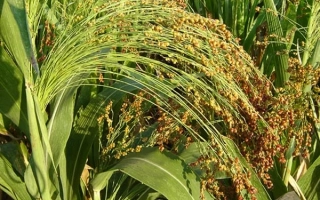
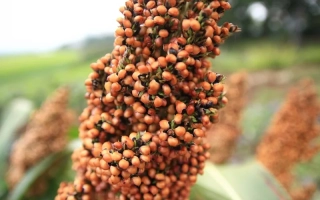
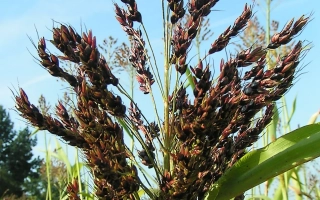
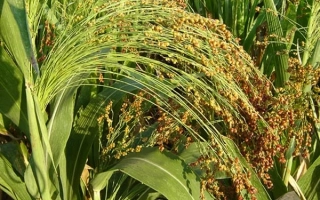
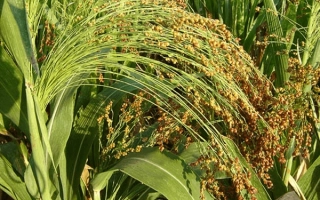
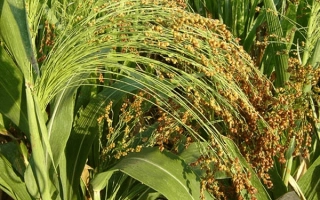
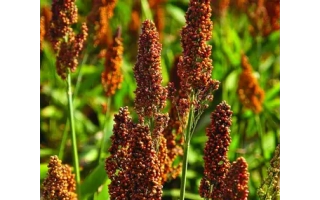
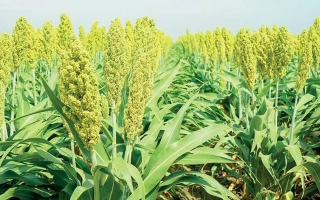
Sorghum is a cereal crop belonging to the grass family, ranking fifth in global cultivation area after wheat, corn, rice, and barley. It is widely cultivated across more than 60 countries on approximately 60 million hectares. Sorghum is valued for its versatility and is used in various sectors: as food (grain and flour), animal feed, as well as for biofuel and biomaterial production.
One of the key advantages of sorghum is its high drought tolerance and adaptability to various soils, allowing it to be grown on marginal lands with minimal water consumption compared to corn. These qualities make sorghum especially important under global climate change conditions and contribute to its increasing production, including in Europe.
Moreover, sorghum has high nutritional value: on average, 1 kg of grain contains about 1.18–1.30 feeding units and 12–15% crude protein. Thanks to this, sorghum is a valuable component in animal husbandry. Its broad application and agronomic advantages make sorghum a promising crop for modern agriculture and the production of eco-friendly fuels.