


SKU #46449
·
78 views
Sorghum Early Venichne
Sorghum
User rating
0 votes0% positive reviews
No ratings yet — be the first.
Direction
Hay, Silage
Vegetation Period
100-110 days
Grain; Color
Light Brown
Plant; height
180-200cm
Prices in stores
from16.33 €per 1 kg
pack from 0.49 € per 30 g
1 offer from 1 store
Store offers · 1 from 1 stores
Prices are updated on loadLoading offers…
Available at: Centre Liliya
Aggregator catalog: prices are collected automatically from store websites, normalized by AI and converted at the current exchange rate. Before ordering, confirm the price and availability on the store's website. This block is not indexed by search engines — the data is loaded after the page opens.
About product

A proven, reliable Ukrainian sorghum variety for high-quality silage and grain production.
Direction
Hay, Silage
Vegetation Period
100-110 days
Grain; Color
Light Brown
Plant; height
180-200cm
Description
A Reliable Standard in Forage Production
The "Venichne Rannie" sorghum variety is a cornerstone of Ukrainian breeding, developed by the Institute of Grain Crops of the NAAS. Over the decades, it has established a solid reputation as a dependable workhorse in the farming sector, favored for its consistent performance across varying soil types and climate conditions in Ukraine.
Agronomic Profile and Performance
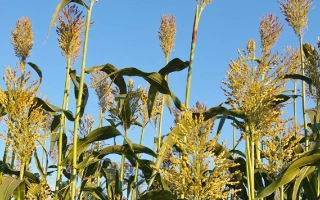
Classified as a medium-early variety, "Venichne Rannie" typically completes its vegetation cycle within 100–110 days. The plants reach a height of 180–200 cm, providing a robust biomass yield. The light-brown grain matures uniformly, simplifying harvest logistics and reducing field losses, which is critical for medium-sized operations.
Versatile Application
- Silage Potential: High leaf-to-stem ratio makes it an excellent choice for high-quality silage, ensuring essential nutrient density for livestock.
- Grain Production: The variety produces quality grain suitable for incorporation into feed rations.
- Technical Utility: True to its name, the variety maintains the historical utility of its panicles for technical applications, providing diversified revenue streams for farmers.
Opting for "Venichne Rannie" means investing in proven, stable genetics that do not demand overly complex intensive care but offer high responsiveness to standard agronomic practices. It remains a preferred choice for producers who prioritize economic efficiency, forage balance, and a secure harvest in diverse environmental conditions.
Crop & resistance
Crop
Specifications hover over for a hint about the specification
|
Direction
Direction
Existing varieties and types of cabbage are grown for fresh consumption, long-term storage, and technical processing. |
|
|---|---|
| Vegetation Period | 100-110 days |
| Grain; Color | |
| Plant; height | 180-200cm |
| Registration year | 1939 |
| Catalog | Catalog → Sorghum |
| Legal data |
Show · 1
|
| Country | Ukraine |
Not yet комментариев. Be the first!
Alternatives
Sorghum seeds · similar varieties


See also
Often considered together with this variety




Recently viewed
Products you’ve viewed on this site
Reviews · 0