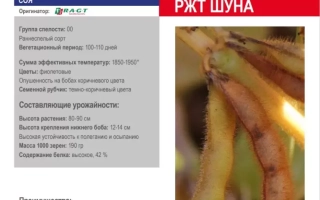
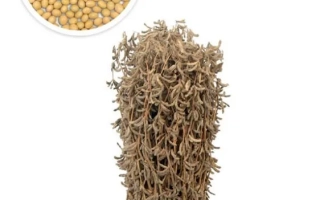
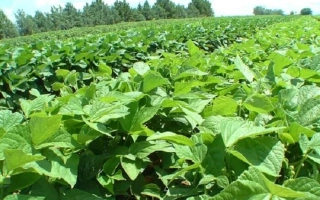
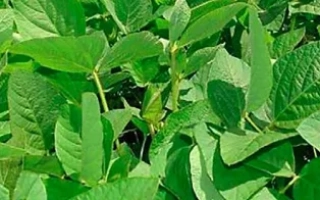
Padua soybean is a medium-maturing, high-yielding grain variety adapted for cultivation under various soil-climatic conditions. The vegetative period ranges from 122 to 127 days, ensuring stable yield formation throughout the season. Plants reach a height of 70-90 cm, with lower pods forming at a height of 12-15 cm above the soil surface, facilitating harvest. The variety is characterized by rapid initial growth and active branching, especially early in the vegetative phase, promoting the formation of numerous productive branches by flowering.
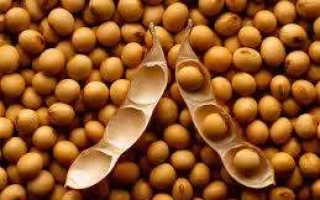
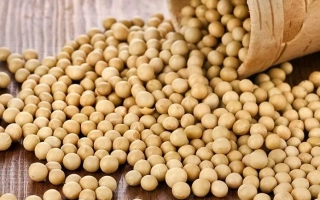
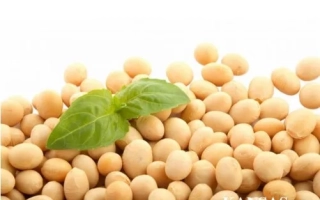
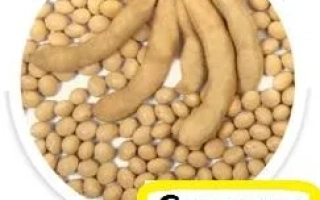
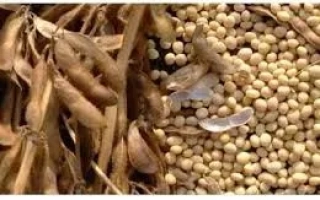
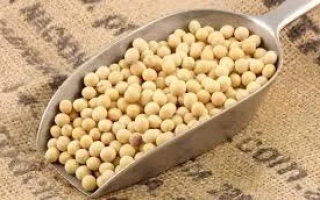
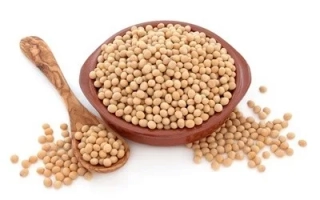
Padua is distinguished by high protein content in the seeds — averaging 38.8-42%, as well as significant oil content, reaching 20.1-21.1%. The 1000-seed mass varies from 180 to 220 grams; seeds are elongated and form in pods with two or three seeds. Due to its strong taproot system, penetrating the soil to a depth of approximately 350 cm, and robust stem, the variety is resistant to lodging and withstands stressful conditions. Additionally, Padua exhibits high resistance to major pathogens, reducing the risk of yield loss.
The potential yield of this variety is 40-50 centners per hectare (or about 5.5 tons per hectare), with a recommended plant density at harvest of 600,000–650,000 plants per hectare. Padua soybean is intended for grain use and demonstrates good economic value due to the combination of high-quality seeds and stable productivity. These characteristics make it an attractive choice for farmers aiming to obtain a high-quality, high-yield product.