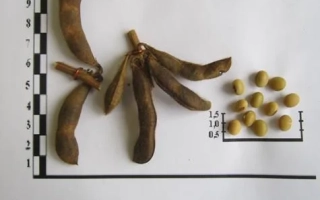
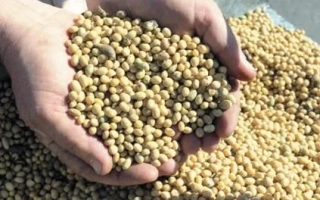
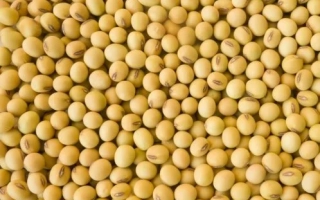
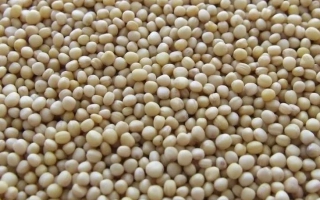
Kukhanna soybean is a medium-early determinate variety developed by the All-Russian Soybean Research Institute. Plants of this variety have an average height of about 58.5 cm, erect stems with grey pubescence, and purple flowers. Leaves are compound with lanceolate leaflets, and seeds are of medium size, elongated, yellow with a yellow hilum. The mass of 1000 seeds is 178.2 grams, indicating good quality of seed material.
The Kukhanna variety is recommended for cultivation in the Far Eastern region, specifically in the Amur Oblast and Khabarovsk Krai. The vegetative period is about 113 days, which allows for a stable yield under the conditions of this region. Average seed yield in the Amur Oblast reaches 22.4 centners/hectare, in Khabarovsk Krai — 24.0 centners/hectare, and overall in the region — 23.7 centners/hectare. The maximum recorded yield was 35.3 centners/hectare, confirming the variety's potential under favorable conditions.
Key advantages of the variety include high protein (39.2%) and fat (18.9%) content in seeds, making it attractive for use in the food and feed industries. The attachment height of the lower pod is 14.6 cm, which facilitates harvest. Due to its characteristics and adaptation to the climatic conditions of the Far East, the Kukhanna variety is a reliable choice for agricultural producers seeking a high-quality and high-yield product.