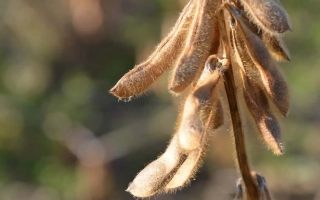
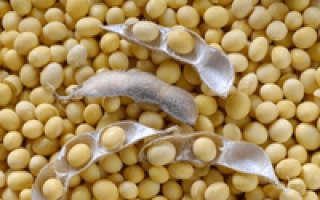
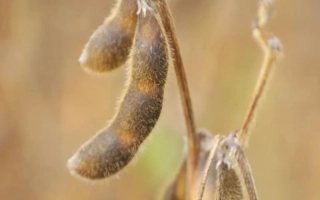
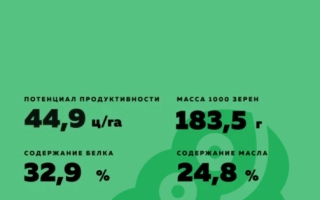
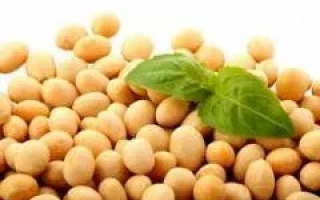
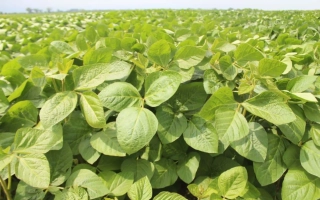
Soybean variety Karmelita is an ultraprecocious variety with high yield potential, reaching 37-40 c/ha. This variety is distinguished by high resistance to adverse conditions and diseases, making it a reliable choice for various climatic conditions and production regimes. Plants have a height of 80 to 110 cm, upright stems of medium conical shape with branching, and lower pods located at a height of 12-15 cm. The recommended planting density is 750-850 thousand plants per hectare, with row spacing from 12.5 to 30 cm.
One of the key features of the Karmelita variety is its high protein content — up to 42% — making its grain particularly valuable for production. High resistance to lodging and pod cracking contributes to maintaining the quality of the harvest and reducing losses during harvesting. Due to its reliability, this variety is an excellent predecessor for winter crops, which is important for crop rotation planning.
Using the Karmelita variety in agriculture helps reduce the use of fungicides and decrease the frequency of plant treatments, positively affecting ecological safety and economic efficiency of production. Combined with crop rotation, spatial isolation of crops, application of phosphorus-potassium fertilizers, and use of bio-preparations, this variety ensures high resistance to diseases and contributes to sustainable agricultural development.