


SKU #72650
·
51 views
BERLANDIERI X RIPARIA SO 4
Rootstocks
User rating
0 votes0% positive reviews
No ratings yet — be the first.
Cold Resistance
Low (-15°C and below)
Vegetation Period
160-180 days
Registration year
1999
Prices in stores
from980 €per 1000 pcs
pack from 0.98 € per 1 pcs
1 offer from 1 store
Store offers · 1 from 1 stores
Prices are updated on loadLoading offers…
Available at: Vinograd Odessa
Aggregator catalog: prices are collected automatically from store websites, normalized by AI and converted at the current exchange rate. Before ordering, confirm the price and availability on the store's website. This block is not indexed by search engines — the data is loaded after the page opens.
About product

BERLANDIERI X RIPARIA SO 4 is a rootstock grape variety developed in Germany through clonal selection from the Teleki 4B variety and further development in Oppenheim. The vines are characterized by their large size, long trailing canes ranging from 4.5 to 5 meters in length with a diameter of 8–10 mm, and a powerful root system that penetrates deeply into the soil. The leaf blade is dark green, la…
Cold Resistance
Low (-15°C and below)
Vegetation Period
160-180 days
Registration year
1999
Description
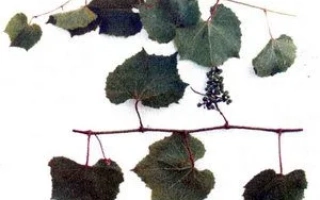
BERLANDIERI X RIPARIA SO 4 is a rootstock grape variety developed in Germany through clonal selection from the Teleki 4B variety and further development in Oppenheim. The vines are characterized by their large size, long trailing canes ranging from 4.5 to 5 meters in length with a diameter of 8–10 mm, and a powerful root system that penetrates deeply into the soil. The leaf blade is dark green, large, with deep grooves along the veins, and the leaves are three-lobed, dense, shiny, sometimes covered with sparse hairy fuzz. The petiole notch is wide and lyre-shaped, which contributes to good cluster development.
The variety is distinguished by high resistance to various pathogens: downy mildew, powdery mildew, root phylloxera, and nematodes. It also shows moderate resistance to leaf phylloxera and high resistance to fungal diseases in general. The vegetative period lasts about 180 days, with very vigorous vine growth: one-year growth reaches 0.17 m³/vine. The vines adapt well to a wide range of soils – sandy, sandy-clay, acidic, and moderately alkaline, but they do not tolerate waterlogging.
BERLANDIERI X RIPARIA SO 4 has good drought resistance and frost tolerance (the root system withstands temperatures down to –7–8 °C). It confers increased growth vigor to scions, which can sometimes affect fruit quality. When used as rootstocks, it ensures high grape yields on most soils, but requires a longer stratification period for cuttings due to slow rooting and grafting. Overall, this variety is universal and widely used in European vineyards due to its vigor, disease resistance, and ability to thrive on diverse soils.
The variety is distinguished by high resistance to various pathogens: downy mildew, powdery mildew, root phylloxera, and nematodes. It also shows moderate resistance to leaf phylloxera and high resistance to fungal diseases in general. The vegetative period lasts about 180 days, with very vigorous vine growth: one-year growth reaches 0.17 m³/vine. The vines adapt well to a wide range of soils – sandy, sandy-clay, acidic, and moderately alkaline, but they do not tolerate waterlogging.
BERLANDIERI X RIPARIA SO 4 has good drought resistance and frost tolerance (the root system withstands temperatures down to –7–8 °C). It confers increased growth vigor to scions, which can sometimes affect fruit quality. When used as rootstocks, it ensures high grape yields on most soils, but requires a longer stratification period for cuttings due to slow rooting and grafting. Overall, this variety is universal and widely used in European vineyards due to its vigor, disease resistance, and ability to thrive on diverse soils.
Crop & resistance
Disease resistance
Pest resistance
Specifications
| Cold Resistance | |
|---|---|
| Vegetation Period | 160-180 days |
| Registration year | 1999 |
| Catalog | Catalog → Rootstocks |
| Legal data |
Show · 2 |
| Country | Russia |
Not yet комментариев. Be the first!
Alternatives
Rootstocks · similar varieties




See also
Often considered together with this variety






Recently viewed
Products you’ve viewed on this site
Reviews · 0