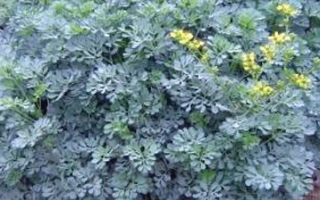
Baicalian Rhodiola is a perennial herbaceous plant of the Crassulaceae family, reaching a height of up to 50–60 cm. Its rhizome is thick and massive, resembling a bent hand, covered with brownish bark with pearlescent iridescence; scale-like leaves are often visible at the upper part. The fruits are leaflets, while the flowers are usually yellow or greenish, gathered in shield-like inflorescences. The plant prefers rocky scree and tundra, inhabiting the shores of Lake Baikal and adjacent areas.
Baicalian Rhodiola is known for its healing properties: it contains phenols, glycosides, kaempferol, hyperoside, and quercetin. It is a powerful antioxidant and adaptogen, contributing to protection against oncological diseases, improved heart and central nervous system function, increased stress resistance, and accelerated wound healing. In folk medicine, the plant is used for vegetovascular dystonia, hypotension, fatigue, wounds, headaches, and for supporting women's health – hormone stabilization, easing menopausal symptoms, and recovery after childbirth.
Baicalian Rhodiola is valued not only as a medicinal agent but also in cosmetics: its extracts are used to maintain skin beauty. The plant is included in the Red Books of many regions, highlighting its rarity and vulnerability. Therefore, it is important to observe the ban on mass harvesting from nature and support cultivation in botanical gardens and introduction centers.