


SKU #73895
·
54 views
SNOWDRIFT
Jacob's Ladder
ВИЛАРUser rating
0 votes0% positive reviews
No ratings yet — be the first.
Medicinal Plants
Blue
Registration year
2025
Store offers · 1 from 1 stores
Prices are updated on loadLoading offers…
Available at: LotosK
Aggregator catalog: prices are collected automatically from store websites, normalized by AI and converted at the current exchange rate. Before ordering, confirm the price and availability on the store's website. This block is not indexed by search engines — the data is loaded after the page opens.
About product

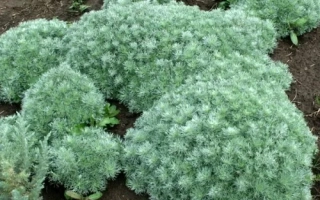
SNOWDRIFT (Polemonium) – a decorative perennial with large lace-like leaves and snow-white panicle inflorescences, which easily fits into flower beds, alpine gardens, balcony and terrace containers. The plant reaches a height of 30–60 cm and a width of 30–45 cm, has a fleshy rhizome with dense roots, which ensures drought and frost resistance.Leaves are dark green, odd-pinnate, up to 40 cm long, c…
Medicinal Plants
Blue
Registration year
2025
Description
SNOWDRIFT (Polemonium) – a decorative perennial with large lace-like leaves and snow-white panicle inflorescences, which easily fits into flower beds, alpine gardens, balcony and terrace containers. The plant reaches a height of 30–60 cm and a width of 30–45 cm, has a fleshy rhizome with dense roots, which ensures drought and frost resistance.
Leaves are dark green, odd-pinnate, up to 40 cm long, consist of 7–13 pairs of lanceolate leaflets. Lower leaves are petiolate, upper are sessile, all slightly rolled, resembling ferns. Flowers – wide-funnel-shaped, about 2 cm in diameter, with five petals and bright yellow anthers; color varies from blue to cream, white or pink.
Snowdrift flowers from June to August, sometimes blooms again after cutting off shoots. Inflorescences emit a delicate honey aroma, attracting bees and other insects, which makes the plant a valuable honey plant (up to 150 kg of honey per hectare). After flowering, seed bags with brown seeds about 2.5 mm long are formed.
Care for the plant is simple: prefers sunny or semi-shaded places, fertile, permeable soils with a slightly acidic pH 6–6.5. Regular watering during droughts and moderate feeding with compost in the spring and mineral fertilizers in the summer ensure lush flowering. Pruning shoots after flowering stimulates new shoots.
Snowdrift is unpretentious, resistant to diseases and pests, completely frost-hardy down to –34 °C (zone 4 by USDA). It is propagated by seeds and rhizome division. Due to its decorative properties and useful qualities, it is popular both in garden flower beds and in urban containers.
Leaves are dark green, odd-pinnate, up to 40 cm long, consist of 7–13 pairs of lanceolate leaflets. Lower leaves are petiolate, upper are sessile, all slightly rolled, resembling ferns. Flowers – wide-funnel-shaped, about 2 cm in diameter, with five petals and bright yellow anthers; color varies from blue to cream, white or pink.
Snowdrift flowers from June to August, sometimes blooms again after cutting off shoots. Inflorescences emit a delicate honey aroma, attracting bees and other insects, which makes the plant a valuable honey plant (up to 150 kg of honey per hectare). After flowering, seed bags with brown seeds about 2.5 mm long are formed.
Care for the plant is simple: prefers sunny or semi-shaded places, fertile, permeable soils with a slightly acidic pH 6–6.5. Regular watering during droughts and moderate feeding with compost in the spring and mineral fertilizers in the summer ensure lush flowering. Pruning shoots after flowering stimulates new shoots.
Snowdrift is unpretentious, resistant to diseases and pests, completely frost-hardy down to –34 °C (zone 4 by USDA). It is propagated by seeds and rhizome division. Due to its decorative properties and useful qualities, it is popular both in garden flower beds and in urban containers.
Crop & resistance
Crop
Specifications
| Medicinal Plants | |
|---|---|
| Registration year | 2025 |
| Catalog | Catalog → Jacob's Ladder |
| Manufacturer | ВИЛАР |
| Country | Russia |
Not yet комментариев. Be the first!
Alternatives
Jacob's Ladder · similar varieties
See also
Often considered together with this variety




Recently viewed
Products you’ve viewed on this site
Reviews · 0