

SKU #72503
·
67 views
WOYAZHER
Arugula
A L TOZER LTDUser rating
0 votes0% positive reviews
No ratings yet — be the first.
Culture Type
Annual or perennial plant
Usage
Salads
Registration year
2021
About product

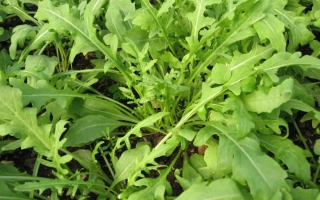
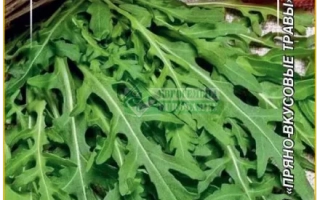
A high-performance arugula variety known for its bolt resistance and consistent, nutty flavor profile.
Culture Type
Annual or perennial plant
Usage
Salads
Registration year
2021
Description
Why «Voyageur» by A L Tozer is a Top Choice for Growers
The «Voyageur» arugula, developed by A L Tozer, is a high-performance variety engineered for commercial success. Unlike common open-pollinated types, this selection focuses on uniformity and harvest efficiency, addressing the most critical needs of professional salad greens producers and the HoReCa industry.
Key Advantages
- Delayed Bolting: The standout characteristic of «Voyageur» is its resistance to premature bolting. This extended harvest window is a major advantage for farmers, reducing waste and allowing for better planning of product cycles.
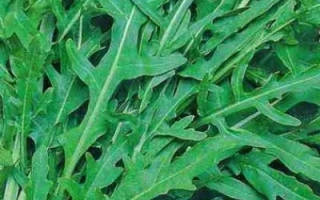
- Refined Culinary Profile: The leaves provide that signature nutty, peppery punch expected in gourmet salads, but with a refined consistency that avoids harsh bitterness, even in varying temperature conditions.
- Consistent Growth Dynamics: The variety exhibits reliable vigor, producing consistent leaf shapes and sizes. This uniformity is highly valued in the packaging process and meets premium retail standards.
Ideal For
«Voyageur» is an excellent choice for indoor vertical farms, greenhouses, and field cultivation where precision is paramount. Its strength lies in its predictability—growers can rely on consistent yield performance across the season. While it performs exceptionally well in diverse conditions, maintaining a regular irrigation schedule is key to preserving the ideal texture and taste profile. If your business model relies on high-quality, steady supply chains for fresh salads, the A L Tozer selection offers the stability and quality you need to satisfy end-customers.
Specifications
| Culture Type | |
|---|---|
| Usage | |
| Registration year | 2021 |
| Catalog | Catalog → Arugula |
| Manufacturer | A L TOZER LTD |
| Country | Russia |
Store offers
Prices are updated on loadLoading offers…
Aggregator catalog: prices are collected automatically from store websites, normalized by AI and converted at the current exchange rate. Before ordering, confirm the price and availability on the store's website. This block is not indexed by search engines — the data is loaded after the page opens.
Not yet комментариев. Be the first!





See also
Often considered together with this variety







Recently viewed
Products you’ve viewed on this site
Reviews · 0