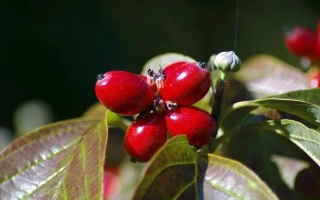
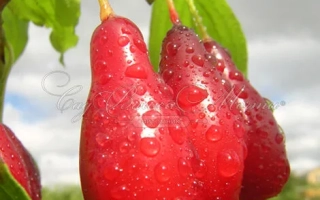
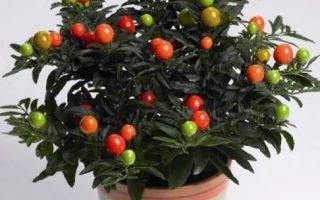
Lotanus "Lothano" is a perennial legume valued both in agronomy and ornamental gardening. Thanks to its powerful root system, it actively fixes nitrogen from the soil, thereby increasing its fertility and improving soil structure. When sown on rested plots, the plant helps restore organic matter, reduces erosion, and creates a dense green cover that can be mowed to obtain fodder mass.
In ornamental use, the lotus attracts attention with its airy foliage and bright flowers. Blooms appear gradually from June until the frosts in shades of red, orange, and yellow, making the plant a popular choice for garden compositions and landscape projects. For optimal growth, well-drained soil, moderate moisture, and protection from direct sunlight are required. With proper care, the plant will bloom until late autumn.
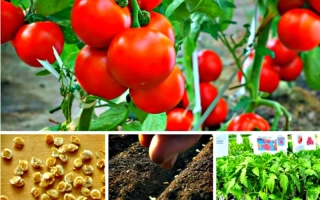
Lotus is also widely used as a fodder crop: the green mass contains significant amounts of vitamin C and protein, making it a valuable source of nutrition for livestock. Beekeepers value this plant for its rich pollen and nectar, contributing to an increase in honey productivity by 15–20 kg per hectare of crops. For planting, seeds are sown in rows at a distance of 15–20 cm, sowing them at a depth of 1–3 cm. In the autumn, cuttings can be rooted for rapid reproduction.