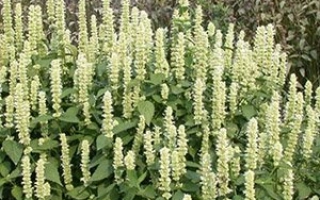
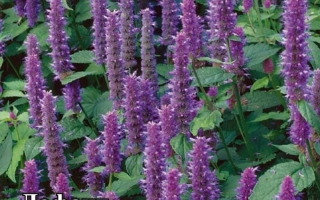
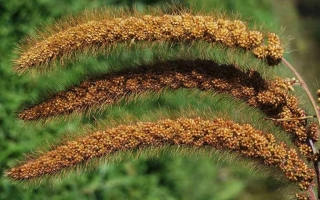
Lophant is a perennial semi-shrub shrub up to 1.5 m high with quadrangular stems and a woody lower part. Leaves are oval, serrated, 7–10 cm long, root is fibrous. Flowers form spike-like inflorescences white or another color, up to 20 cm long, with a pleasant aroma, attracting bees and being a valuable nectar-producing plant.
In traditional medicine, lophant is used as an immunostimulant. The plant contains essential oil (≈0.5%), alkaloids, choline, rutin, quercetin, astringentin and other biologically active compounds. Essential oil is used for skin and hair care, while a water decoction from leaves, stems and flowers increases vitality and treats diseases of the gastrointestinal tract, liver, urinary tract, bronchitis, ARVI, etc. Alcohol tincture is taken internally and externally for cardiovascular disorders, paralysis, cuts.
Lophant is easily grown in garden conditions: grows in any soil, prefers fertile soil, requires constant moisture and a sunny place. Cut stems stimulate root system growth, while seeds require stratification for germination. The plant is resistant to diseases and pests, withstands frosts up to –15 °C with reliable shelter. Lophant is widely used as a decorative element, as well as in aromatherapy, cosmetology, and also in agrotechnology – its decoction is used for spraying tomatoes and potatoes from phytophthora.