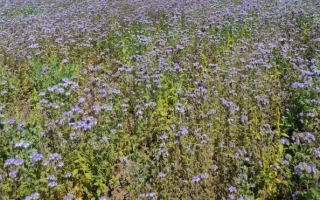
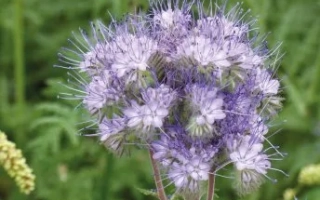
Crambe abyssinica (Hochst.) – an annual crop of the cabbage family, reaching up to 1 m in height with yellow flowers. The plant is characterized by cold hardiness and drought resistance, as well as low susceptibility to alternaria. The growing period is approximately 112 days.
The «VIR 1» variety is characterized by high oil content – 45% of the grains, of which up to 65% is erucic acid. The mass of 1000 seeds is 10 g, and the yield reaches 15 t/ha at a sowing rate of about 2.5 million seeds/ha. At such density, plant height is approximately 73–90 cm, ensuring an optimal combination of pod quantity and seed mass per plant.
Crambe «VIR 1» is widely used in industry: its oil is used to produce lubricants, liquid heat transfer fluids, coatings, linseed oils, plastics, nylon, and biofuels. The meal after pressing is used as animal feed, a green manure crop, and even in culinary products (halva, pastries). Due to the high content of erucic acid, the product is suitable for biodiesel and synthetic fiber production.
Sowing is carried out in the first decade of May using continuous row methods with a sowing depth of 3–5 cm. The optimal sowing rate is 2.5 million seeds/ha, which achieves maximum yield and favorable biometric plant indicators. The crop is successfully grown in many countries worldwide, including Europe, Canada, the USA, and Japan.