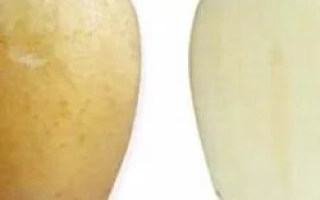
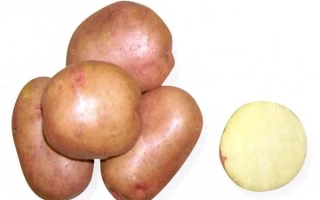
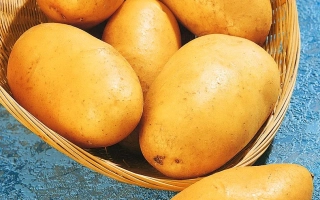
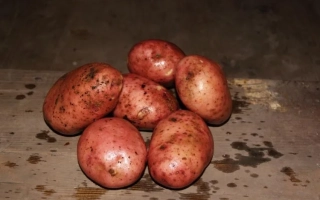
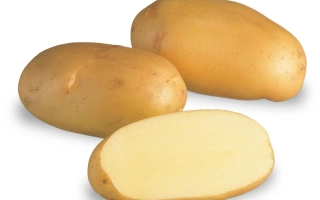
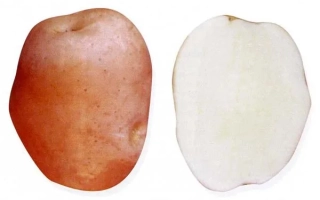
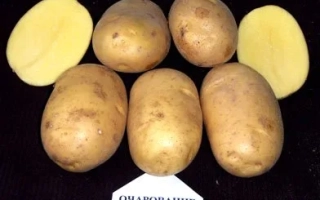
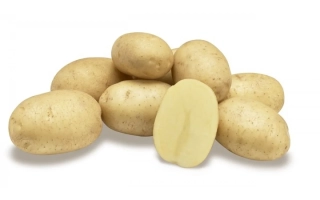
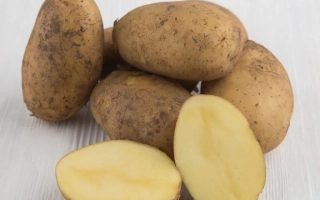
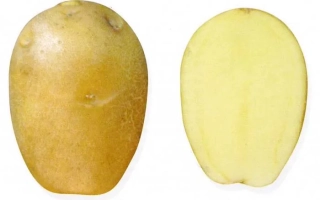
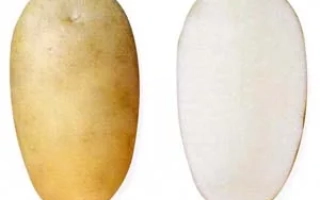
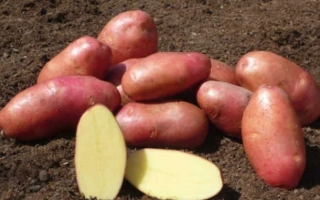
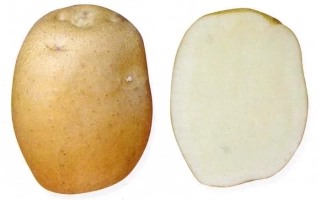
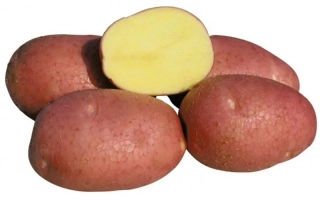
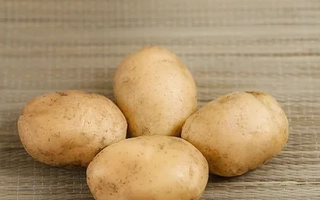
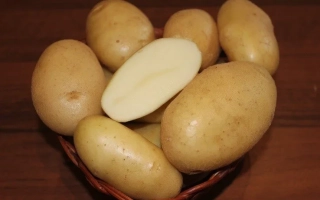
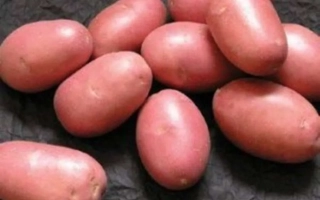
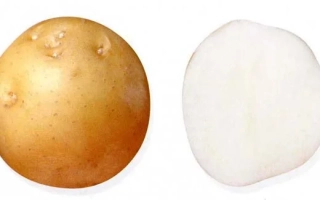
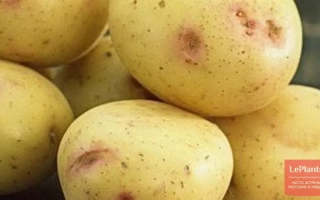
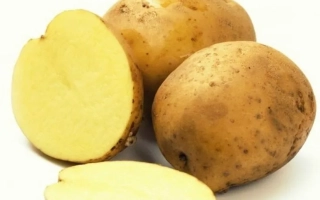
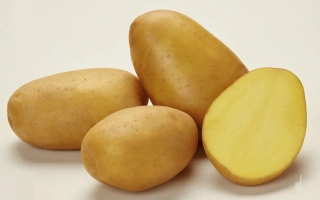
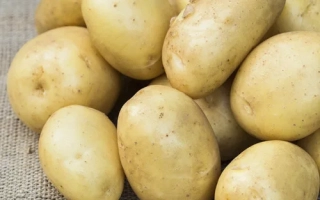
The potato variety Petersburg is a medium-maturing table variety of Russian selection, intended for cultivation in various regions, including the Northwestern, Central, Volga-Vyatka, and Far Eastern regions. The tubers of this variety have an oval-round shape, light beige or white skin, and white flesh with small eyes. The average weight of marketable tubers ranges from 94 to 128 grams, and the number of tubers per plant reaches 12-16. The yield of this variety varies between 300-370 centners per hectare, with a marketability of 85-97%.
The variety is characterized by high starch content in tubers — from 13 to 16%, which ensures good culinary qualities. The flesh does not darken when cut, and the taste of the potato is rated as good. Petersburg potato is suitable for various cooking methods, including frying, baking, and boiling, making it a versatile product for table use. The storage capacity of the tubers is about 94%, contributing to long-term storage without loss of quality.
In terms of disease resistance, the variety exhibits high resistance to potato cancer and viral diseases, as well as medium resistance to black leg and dry fusarium rot. However, it is moderately susceptible to phytophthora on foliage and tubers and is prone to alternaria infection. Due to these characteristics, Petersburg is a reliable and in-demand variety for cultivation in various climatic conditions and soils.