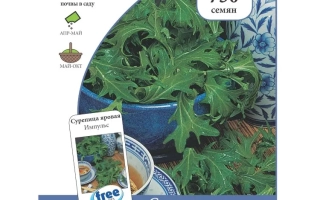
Endive is a salad plant that is grown mainly in Mediterranean regions. The 'Spring' variety belongs to the early-maturing types and reaches harvest readiness 42–45 days after sowing. The plant's leaves are semi-erect, dense, about 30 cm high and 30–40 cm in diameter. They are light green with a divided midrib, and a slightly yellowish tint can be seen in the center of the leaf.
Endive is rich in B vitamins, vitamins A, C, and trace elements, which promote good digestion and strengthen the immune system. Due to its high vitamin C content, this variety is particularly valuable for maintaining the health of the body. The leaves can be consumed raw or cooked in various dishes: from simple salads to side dishes and fillings.
For making a salad, it is recommended to remove the thick bases of the leaves, where the concentration of bitter substances is higher, or to soak the cut leaves in warm water. Sweet additions – apples, pears, mandarins, oranges, pomegranate seeds, and sweetened dressings (agave syrup or raspberry) – go well with the bitterness of endive, softening its taste. You can also add nuts, potatoes, or lentils for textural variety. Endive fits easily into dishes with other salads, such as radicchio, chicory, iceberg, and lettuce, and can also serve as a filling for sandwiches and an ingredient for pesto.
The 'Spring' variety is suitable for growing both in film greenhouses and in open ground. It grows easily from a 30-day seedling, reaching a mass of up to 500 g. Due to its versatility and nutritional value, endive is an excellent choice for everyday nutrition as well as for culinary experiments.