
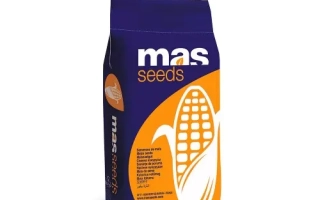


SKU #56384
·
35 views
Maize Lyudmila
Corn
User rating
0 votes0% positive reviews
No ratings yet — be the first.
Ripening
75-80 days, 77-81 day, 76-80 days, 74-79 days, 72-74 days, 73-78 days, 75-78 days, 74-76 days, 75-82 days, 76-77 days
Hybrid Type
Simple Hybrid, Modified
Kernel Type
Intermediate, Yellow-orange intermediate type, Dent
Use Direction
Grain, Silage
Store offers · 1 from 1 stores
Prices are updated on loadLoading offers…
Available at: Semena-online
Aggregator catalog: prices are collected automatically from store websites, normalized by AI and converted at the current exchange rate. Before ordering, confirm the price and availability on the store's website. This block is not indexed by search engines — the data is loaded after the page opens.
About product

LUDMILA — a mid-early simple modified hybrid of corn (Zea mays L.), intended for grain and silage cultivation in various regions. The plant is characterized by high yield and adaptability to climatic conditions of the Central, Central Chernozem, Middle Volga, and Lower Volga regions. The vegetation period varies from 78 to 145 days depending on the region, allowing flexible use of the hybrid in di…
Ripening
75-80 days, 77-81 day, 76-80 days, 74-79 days, 72-74 days, 73-78 days, 75-78 days, 74-76 days, 75-82 days, 76-77 days
Hybrid Type
Simple Hybrid, Modified
Kernel Type
Intermediate, Yellow-orange intermediate type, Dent
Use Direction
Grain, Silage
Description
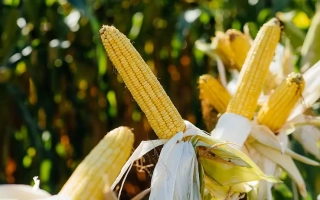
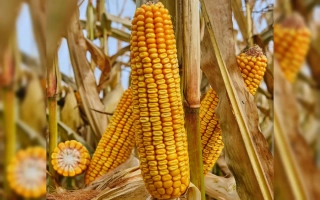
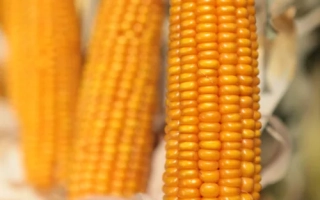
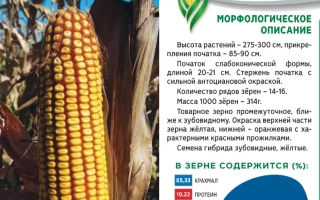
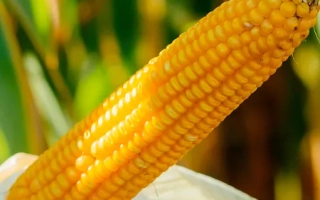
LUDMILA — a mid-early simple modified hybrid of corn (Zea mays L.), intended for grain and silage cultivation in various regions. The plant is characterized by high yield and adaptability to climatic conditions of the Central, Central Chernozem, Middle Volga, and Lower Volga regions. The vegetation period varies from 78 to 145 days depending on the region, allowing flexible use of the hybrid in different agroclimatic zones. The plant is tall, with medium-width leaves and slightly curved shape, and the ear is cylindrical, medium in length and diameter, with short or medium-length peduncle. A distinctive feature of the hybrid is the intermediate grain type, closer to dent, with characteristic orange coloring on the upper part and yellow-orange on the lower part of the grain. Anthocyanin coloring of the plant is weak: slight coloring of the first leaf sheath, roots at the stem and silk, and absent or very weakly expressed on the spikelet scales. The tassel has medium density of spikelets, with the main axis positioned higher than the long upper lateral branch, and medium-height lateral branches, ensuring good yield formation. The hybrid LUDMILA demonstrates high grain and dry matter yield. In the Central region, the average grain yield reaches 119 c/ha, which is 25.9% higher than the standard, with grain moisture around 23.6%. In the Central Chernozem region, the yield is 80 c/ha with moisture of 4.5%, and in the Middle Volga region — 96.3 c/ha of dry matter with dry matter content of 38.3%. In the Lower Volga region, grain yield reaches 63.3 c/ha, and dry matter yield — 94.1 c/ha with grain moisture of 22.6%. These figures confirm the high productivity and stability of the hybrid under various conditions, making LUDMILA an attractive choice for agricultural producers.
Crop & resistance
Crop
Disease resistance
Specifications hover over for a hint about the specification
| Ripening | 75-80 days, 77-81 day, 76-80 days, 74-79 days, 72-74 days, 73-78 days, 75-78 days, 74-76 days, 75-82 days, 76-77 days |
|---|---|
| Hybrid Type | |
|
Kernel Type
Kernel Type
Dent corn (Zea mays indentata) — Large, elongated, flat kernels. The endosperm is horny on the sides of the kernel, mealy in the center and at the top. A depression forms at the top of the kernel upon ripening. Dent corn is the most widely cultivated group among others. Plants ty... |
|
|
Use Direction
Use Direction
Dual-purpose hybrids: for silage and grain in all growing regions. These are "stay-green" type hybrids, meaning the plants remain green for a longer period. However, this does not affect the sugar, cellulose, and hemicellulose content, nor the degree of lignification of the plant... |
|
| Registration year | 2020 |
| Catalog | Catalog → Corn |
| Legal data |
Show · 1 |
| Country | Russia |
Not yet комментариев. Be the first!
Alternatives
Maize seeds · similar varieties




See also
Often considered together with this variety







Recently viewed
Products you’ve viewed on this site
Reviews · 0