
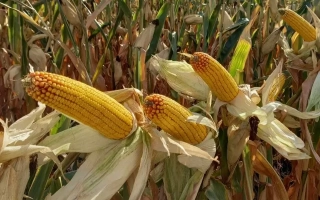


SKU #57203
·
36 views
AGS 4
Corn
HIBRID A.D.User rating
0 votes0% positive reviews
No ratings yet — be the first.
FAO
90–1240
Kernel Type
Intermediate, Flint
Use Direction
Grain, Food, Silage, Groats
Registration year
2012
Store offers · 1 from 1 stores
Prices are updated on loadLoading offers…
Available at: Elektromotor
Aggregator catalog: prices are collected automatically from store websites, normalized by AI and converted at the current exchange rate. Before ordering, confirm the price and availability on the store's website. This block is not indexed by search engines — the data is loaded after the page opens.
About product

A reliable Serbian hybrid with high tolerance to diseases and a broad range of applications.
FAO
90–1240
Kernel Type
Intermediate, Flint
Use Direction
Grain, Food, Silage, Groats
Registration year
2012
Description
Stable yields in any environment
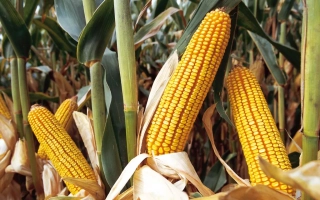
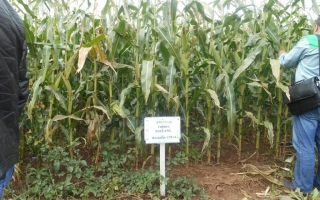
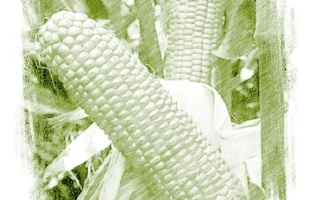
When we first tested AGS 4 on our demo fields, our main goal was to achieve predictable results with minimal fungicide expenditure. This Serbian hybrid from Hibrid A.D. proved to be a reliable "workhorse" that forgives common agronomic mistakes. Its main advantage is its comprehensive resistance. In seasons with high humidity, it barely suffers from helminthosporiosis or boil smut, which saves us from extra spraying passes.
Versatility in application
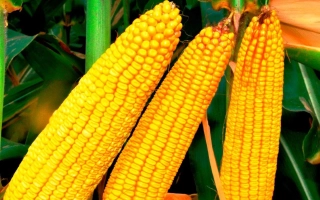
For our operation, it is crucial that corn remains liquid. AGS 4 is an intermediate, slightly flint-type grain. This structure makes it highly versatile:
- The grain is excellent for commercial sale.
- High starch content allows it to be used for high-quality grits production.
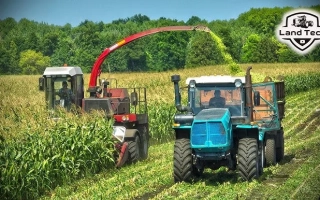
- When harvested for silage or feed for our own livestock, the hybrid provides an excellent nutrient yield.
Growing experience
The FAO range of 90–1240 requires careful planning for sowing and harvest dates. During operation, we noted good early vigor. Even under pest pressure—such as the meadow moth or the cotton bollworm—the plant shows sufficient endurance, helping to maintain yield potential. AGS 4 doesn't require any specific "fuss"; it is a solid choice for those who bet on proven Serbian technologies capable of performing in harsh field conditions without compromising the quality of the final product.
Crop & resistance
Crop
Disease resistance
Pest resistance
Specifications hover over for a hint about the specification
|
FAO
FAO
Corn hybrids are classified by maturity groups and by the FAO number. All corn hybrids are distributed according to the FAO scale. Under Central European conditions, a difference of 10 FAO units between hybrids results in a 1-2 day difference in their maturity. The higher the FAO... |
90–1240 |
|---|---|
|
Kernel Type
Kernel Type
Dent corn (Zea mays indentata) — Large, elongated, flat kernels. The endosperm is horny on the sides of the kernel, mealy in the center and at the top. A depression forms at the top of the kernel upon ripening. Dent corn is the most widely cultivated group among others. Plants ty... |
|
|
Use Direction
Use Direction
Dual-purpose hybrids: for silage and grain in all growing regions. These are "stay-green" type hybrids, meaning the plants remain green for a longer period. However, this does not affect the sugar, cellulose, and hemicellulose content, nor the degree of lignification of the plant... |
|
| Registration year | 2012 |
| Catalog | Catalog → Corn |
| Manufacturer | HIBRID A.D. |
| Legal data |
Show · 3
|
| Country | Serbia |
Not yet комментариев. Be the first!
Alternatives
Maize seeds · similar varieties






See also
Often considered together with this variety





Recently viewed
Products you’ve viewed on this site
Reviews · 0