


SKU #60534
·
47 views
Pacific
Barley
User rating
0 votes0% positive reviews
No ratings yet — be the first.
Plant Type
Spring barley
Culm; Number of Rows
Two-row
Plant Height
50-60cm
Seed; mass 1.000seeds
40-42 grams
About product

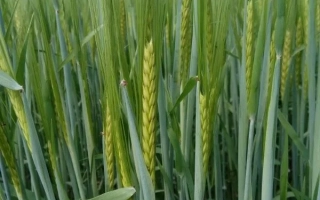
The Pacific spring barley variety is a medium-maturity two-row barley with yellow grain color and medium density. Plants are medium-height, ranging from 57 to 65 cm, with short stems and high lodging resistance. The ear is pyramidal and loose, grain is light yellow, elliptical in shape, slightly wrinkled, and the 1000-grain weight varies from 31 to 44 g depending on the growing region. The variety…
Plant Type
Spring barley
Culm; Number of Rows
Two-row
Plant Height
50-60cm
Seed; mass 1.000seeds
40-42 grams
Description
The Pacific spring barley variety is a medium-maturity two-row barley with yellow grain color and medium density. Plants are medium-height, ranging from 57 to 65 cm, with short stems and high lodging resistance. The ear is pyramidal and loose, grain is light yellow, elliptical in shape, slightly wrinkled, and the 1000-grain weight varies from 31 to 44 g depending on the growing region. The variety is distinguished by strong anthocyanin coloring of the flag leaf ears and a semi-erect bush.
Pacific barley has good resistance to a range of diseases, including root rot, stripe rust, fusarium head blight, powdery mildew, and rhynchosporium, and is moderately resistant to net form of loose smut and helminthosporium. Protein content in the grain ranges from 9.5 to 14.3%, starch is about 61%, and extractability reaches 79-82%. The hulling percentage of the grain is within the range of 7.5-9.0%.
The variety is recommended for cultivation in various regions, including the Far East, Central Black Earth, Volga-Vyatka, and West Siberia. It is suitable for both grain-livestock feed and malting use. Yield varies depending on the region and conditions, reaching an average of 24.2 c/ha in the Far East region and up to 62.7 c/ha in the Central Black Earth region. Sowing rate depends on sowing time and ranges from 230 to 320 grains per square meter.
Pacific barley has good resistance to a range of diseases, including root rot, stripe rust, fusarium head blight, powdery mildew, and rhynchosporium, and is moderately resistant to net form of loose smut and helminthosporium. Protein content in the grain ranges from 9.5 to 14.3%, starch is about 61%, and extractability reaches 79-82%. The hulling percentage of the grain is within the range of 7.5-9.0%.
The variety is recommended for cultivation in various regions, including the Far East, Central Black Earth, Volga-Vyatka, and West Siberia. It is suitable for both grain-livestock feed and malting use. Yield varies depending on the region and conditions, reaching an average of 24.2 c/ha in the Far East region and up to 62.7 c/ha in the Central Black Earth region. Sowing rate depends on sowing time and ranges from 230 to 320 grains per square meter.
Crop & resistance
Crop
Specifications
| Plant Type | |
|---|---|
| Culm; Number of Rows | |
| Plant Height | 50-60cm |
| Seed; mass 1.000seeds | 40-42 grams |
| Registration year | 2015 |
| Catalog | Catalog → Barley |
| Legal data |
Show · 1 |
| Country | Russia |
Store offers
Prices are updated on loadLoading offers…
Aggregator catalog: prices are collected automatically from store websites, normalized by AI and converted at the current exchange rate. Before ordering, confirm the price and availability on the store's website. This block is not indexed by search engines — the data is loaded after the page opens.
Not yet комментариев. Be the first!
Alternatives
Barley seeds · similar varieties


See also
Often considered together with this variety





Recently viewed
Products you’ve viewed on this site
Reviews · 0