


SKU #60549
·
41 views
ENNY UA
Barley
User rating
0 votes0% positive reviews
No ratings yet — be the first.
Plant Type
Spring barley
Culm; Number of Rows
Two-row
Plant Height
70-80cm
Vegetation Period (Maturity)
80-90 days
Prices in stores
from24.91 €per 1 kg
pack from 24.91 € per 1 kg
1 offer from 1 store
Store offers · 1 from 1 stores
Prices are updated on loadLoading offers…
Available at: Інститут зернових культур · Yablukom
Aggregator catalog: prices are collected automatically from store websites, normalized by AI and converted at the current exchange rate. Before ordering, confirm the price and availability on the store's website. This block is not indexed by search engines — the data is loaded after the page opens.
About product

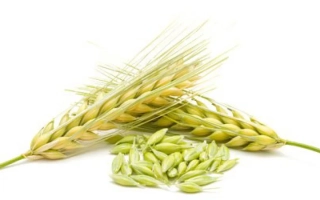
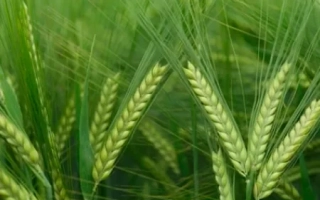
Spring barley variety Enny is a mid-early, high-yielding variety intended for cultivation in various climatic zones, including the Polesie, Steppe, Forest-Steppe, and central regions. The plant is characterized by a mid-height semi-erect stem 74-80 cm tall and a two-row cylindrical head of medium length with long awns, colored with anthocyanin at the tips. The grain of the variety is large, yellow…
Plant Type
Spring barley
Culm; Number of Rows
Two-row
Plant Height
70-80cm
Vegetation Period (Maturity)
80-90 days
Description
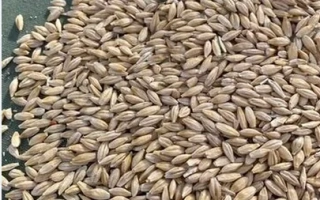
Spring barley variety Enny is a mid-early, high-yielding variety intended for cultivation in various climatic zones, including the Polesie, Steppe, Forest-Steppe, and central regions. The plant is characterized by a mid-height semi-erect stem 74-80 cm tall and a two-row cylindrical head of medium length with long awns, colored with anthocyanin at the tips. The grain of the variety is large, yellow, with a thousand-grain weight of 38-50 g, ensuring high grain quality for grain-forage use. The vegetation period is 75-90 days, allowing effective use of the variety in various agro-climatic conditions. The Enny variety is distinguished by high resistance to lodging, shattering, and drought, making it a reliable choice for regions with changeable weather conditions. It has high resistance to a number of diseases, including powdery mildew, loose smut, helminthosporiosis, as well as rust and various types of smut (black, stone). Thanks to the sturdy stem and ability to dense tillering, the variety demonstrates stable yield at the level of 54.5-55.7 c/ha, with a potential of up to 7-10 t/ha under optimal conditions and proper fertilization. Enny is a high-intensity variety, adapted to various soil-climatic conditions and responds well to agrotechnical measures. The sowing rate is 230-250 kg/ha or 4-5 million viable seeds depending on the predecessor. The variety is recommended for a wide range of regions, including the Central-Black-earth, North-Caucasian, and Middle-Volga regions, confirming its universality and reliability. High protein content in the grain (10.2-16.2%) makes it valuable for grain-forage use, providing quality nutrition for farm animals.
Crop & resistance
Crop
Disease resistance
Specifications
| Plant Type | |
|---|---|
| Culm; Number of Rows | |
| Plant Height | 70-80cm |
| Vegetation Period (Maturity) | 80-90 days |
| Registration year | 2012 |
| Catalog | Catalog → Barley |
| Legal data |
Show · 2
|
| Country | Ukraine |
Not yet комментариев. Be the first!
Alternatives
Barley seeds · similar varieties




See also
Often considered together with this variety






Recently viewed
Products you’ve viewed on this site
Reviews · 0