Hormuz disruption hits fertilizer market ahead of U.S. spring planting
Shipping disruption in the Strait of Hormuz has sent urea prices sharply higher just as U.S. farmers move into the peak spring nitrogen application period.

A daily digest of market, agri-policy, technology and climate news — from Ukraine and the world. 44 news items in 22 sections.
Shipping disruption in the Strait of Hormuz has sent urea prices sharply higher just as U.S. farmers move into the peak spring nitrogen application period.
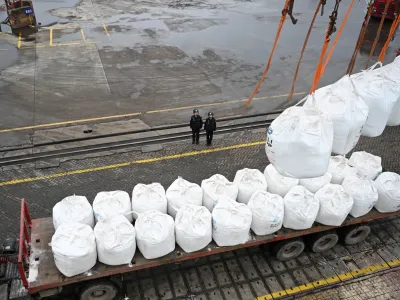
After a US sanctions step on selected Belarus entities, fertilizer markets reassessed potash availability, while EU restrictions and logistics remain key constraints.
Amid supply-chain instability, India is debating a move from import-heavy fertilizer policy toward nutrient-use efficiency and biological enhancement tools.
China’s tighter fertilizer export controls are amplifying global supply stress and price risks for crop input markets.
India is trying to secure urea for kharif through domestic plants, but higher gas and import costs are increasing fiscal and farm-input pressure.
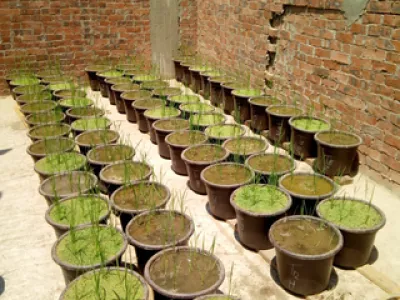
A PLOS ONE study from Egypt tested Azolla-based green manure and compost in heavy-metal-contaminated soils and reported improvements in rice performance and key soil indicators.
A Nature Communications study estimated global soil microbial nitrogen-use efficiency (NUE) and phosphorus-use efficiency (PUE), with mean values of 0.60 and 0.35 respectively.
Biofertilisers are gaining ground in India as farmers confront soil degradation, distorted nutrient use and rising input costs. BusinessLine reports that microbial products are increasingly seen as a…