
Kazakhstan Approves Large-Scale Veterinary Reform: From Salary Growth to Product Quality Control
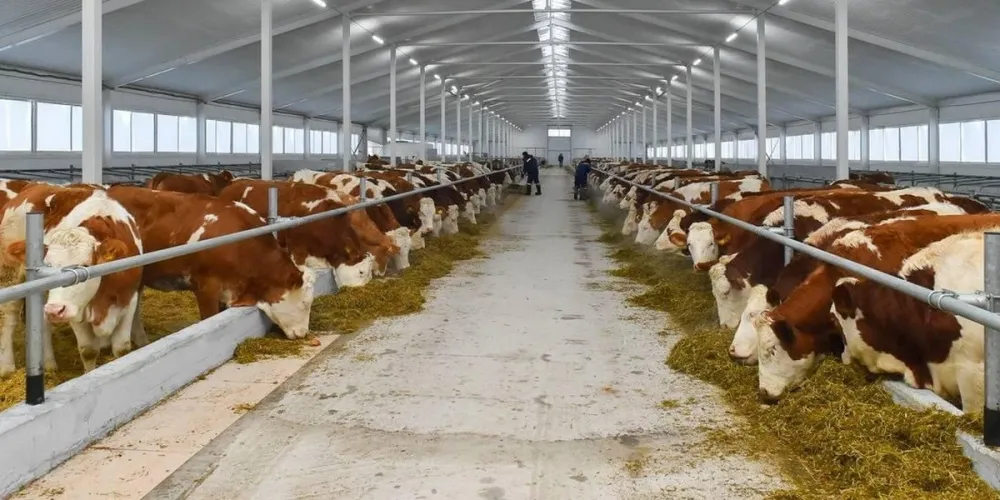
Kazakhstan has approved in the first reading a large-scale bill aimed at fundamentally reforming the country's veterinary sector. The new legislative amendments are designed not only to eliminate the acute shortage of personnel in rural areas but also to completely restructure the quality control system for livestock products. Details of the upcoming changes were announced by Member of Parliament Serik Yegizbayev.
As part of social support measures for specialists, base salaries are planned to increase by nearly double — from the current 220,000 to 430,000 tenge. Taking into account all allowances, the total income of veterinary workers will be able to exceed 500,000 tenge. In addition, an annual health-improvement allowance of at least two salaries will be introduced for veterinarians prior to their vacation. The state budget will allocate about 1.8 billion tenge for free special clothing, which veterinarians previously had to purchase at their own expense. Monthly bonuses for academic degrees are also being introduced: about 73,000 tenge for candidates of sciences and around 147,000 tenge for doctors of veterinary sciences.
Along with improving working conditions, the reform lays the groundwork for major institutional changes. A Veterinary Chamber will be established in the country to protect the interests of doctors, maintain their records, and improve their qualifications. In parallel, oversight over farmers, processing plants, and sellers will be significantly strengthened. Inspections of meat product quality and accompanying documents will become regular at markets, and a special pharmaceutical inspection will be established to control veterinary drugs. The new regulations also mandate the labeling of all meat, animal-origin raw materials, and feed.
Significant changes apply to the organization of livestock farms and slaughter rules. Organized farms are now required to have a dedicated veterinarian on staff or retain one. Slaughter grounds are being excluded from the list of permitted slaughter sites: slaughtering animals whose meat will supply public catering can now only be done at specialized facilities after mandatory pre-slaughter inspection. Furthermore, farmers are strictly prohibited from using growth stimulants and human-intended antibiotics for productive livestock. Financial costs for microchipping and livestock registration in organized farms are now fully shifted to the animal owners.
To ensure biological security, inspections of burial grounds, markets, slaughterhouses, and meat storage facilities will be exempt from the restrictive norms of the Entrepreneurial Code. Upon suspicion of dangerous infections, veterinary services will be granted the right to temporarily isolate livestock and halt procurement before an official quarantine is declared. The entire veterinary sector will be transitioned to a unified digital IT platform for end-to-end cargo tracking, with responsibilities clearly demarcated among the Republican Anti-Epizootic Detachment, the Veterinary Control Committee, and the National Reference Center.
Not yet comments. Be the first!
Comments