
Australia's fertilizer squeeze revives domestic manufacturing push
Rising fertilizer prices and supply disruptions are pushing Australia back toward a more serious discussion about domestic fertilizer capacity and phosphate processing.
Australia's farm sector is again debating how to rebuild domestic fertilizer capacity after the Iran war exposed how vulnerable the country remains to imported supply. ABC News reports that fertilizer prices have risen by about 60%, while tighter logistics and global market stress have sharpened interest in local production projects. For growers, this is not a theoretical discussion: fertilizer cost and availability directly affect planting decisions, input budgets, and farm resilience.
The article uses the experience of canegrower Dean Cayley to illustrate the pressure on the ground. Faced with shortages, he had to ask neighboring growers for a tonne of stored fertilizer. That kind of stopgap response shows how quickly an international shock can turn into a practical farm-level problem. ABC also notes that Australia still depends heavily on imported key products, with the bulk of the phosphorus fertilizers used in the country coming from abroad.
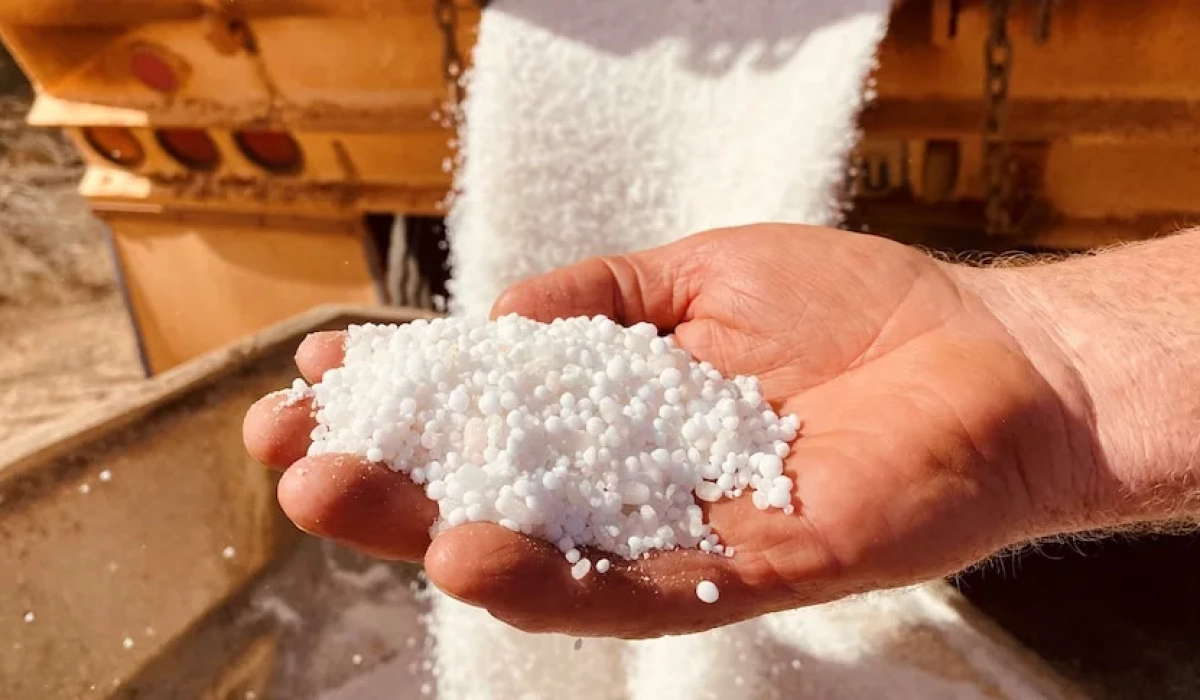
That dependence is pushing attention toward industrial assets in northwest Queensland. North West Phosphate is advancing plans that could strengthen domestic fertilizer supply and potentially support exports over time. Chairman John Cotter said the company is working with federal and state governments to fast-track expansion. For policymakers and the farm sector, the issue is now about more than price alone; it is about strategic supply-chain resilience for one of agriculture's most basic inputs.
The report also points to the importance of keeping existing assets in operation. Phosphate Hill, a fertilizer plant that had been due to close in September, recently found a buyer that will keep it going. In the same region, Dyno Nobel sold the Phosphate Hill mine this year to Mayfair for $100 million. Even with those facilities in place, Australia still imports most of its phosphorus fertilizer demand, so retaining and expanding processing capacity is being treated as a critical hedge against future disruptions.
For agribusiness, the message is clear: long-term resilience will require more than temporary market relief. If phosphate and related projects move ahead, Australia may be able to soften future price spikes and external shocks. But the ABC report suggests the real solution will have to combine mining, processing, operating plants, logistics, and policy support that allows farmers to access fertilizer on time and at workable cost. In other words, the current squeeze has turned fertilizer from a procurement issue into a wider industrial and food-security question.