
Agricultural economist explains why lettuce prices are up 32% and tomatoes are up 20%
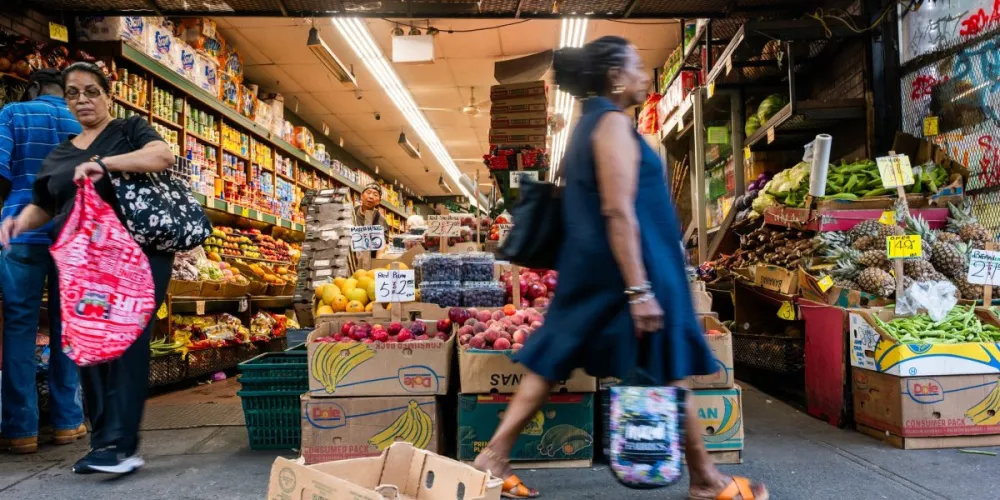
U.S. consumers are facing significant price hikes in the produce aisle. According to the Bureau of Labor Statistics, between June 2025 and June 2026, the price of lettuce jumped by 32%, while tomato prices increased by approximately 20%. Overall, fresh vegetable prices rose by 10%, while fresh fruit costs saw more modest increases, with apples up 7% and citrus prices rising by 6%.
Elizabeth Canales, an agricultural economist, explains that this trend is driven by a complex mix of factors. Among these are extreme weather events, such as the early 2026 freezes in Florida, which damaged crops including strawberries, blueberries, and sweet corn. These climate disruptions limit supply and naturally push retail prices upward.
A critical factor has been the shift in U.S. trade policy. In June 2025, the U.S. Department of Commerce withdrew from the U.S.-Mexico Tomato Suspension Agreement, effectively imposing a 17% antidumping duty on most Mexican tomato imports. With imports accounting for roughly three-quarters of the U.S. tomato supply, and Mexico serving as the primary exporter, American shoppers have borne the brunt of these costs. Reports indicate that Mexican tomato imports dropped by 13% year-over-year following this policy change.
Production costs are also under pressure from global geopolitical instability. The war in Iran has disrupted supply chains for oil and fertilizer. Fertilizer prices for manufacturers surged by more than 20% compared to last year, with nitrogen-based fertilizers seeing a massive 46% increase. These costs are shouldered by farmers who have little control over market prices, which are primarily determined by overall supply and demand dynamics.
Compounding these issues are rising logistics costs. Due to a 27% increase in fuel prices over the past year, refrigerated trucking rates—essential for moving fresh produce—were 20% higher in June 2026 than in June 2025. Because these inflationary pressures affect the entire supply chain from farm to table, experts warn that immediate relief is unlikely, forcing consumers to adjust to higher prices for fresh fruits and vegetables.
Not yet comments. Be the first!
Comments · 0