
China tightens fertilizer export inspections as global prices surge
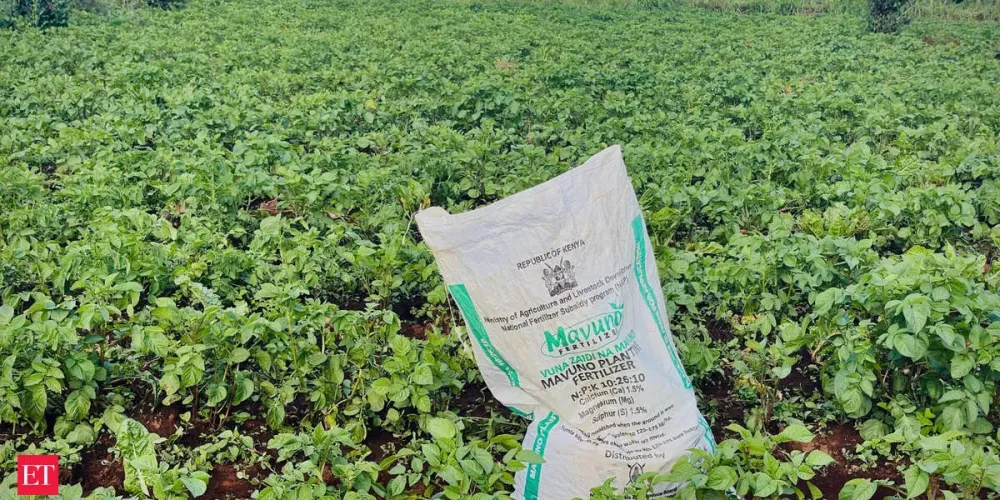
China has stepped up customs inspections on fertilizer exports as authorities try to enforce spring export controls more strictly and prevent traders from bypassing the rules while the gap between domestic and international prices widens. Reuters reported that ammonium sulphate, one of China’s biggest fertilizer export products by volume and one of the few left outside March restrictions, is now facing much heavier scrutiny at customs.
The immediate trigger was a series of cases uncovered in Qingdao, where exporters were found to have declared restricted urea and potash cargoes as ammonium sulphate. Traders told Reuters that inspection rates on ammonium sulphate shipments have risen sharply since those cases came to light. That matters because ammonium sulphate had remained one of the main channels through which Chinese fertilizer exports could still move relatively freely after broader curbs were introduced ahead of the domestic spring planting season.
China is one of the world’s largest fertilizer exporters and shipped more than $13 billion worth of fertilizer last year. At the same time, Beijing regularly intervenes in trade flows to protect local farmers and preserve domestic supply during critical planting periods. In March, it restricted exports of most fertilizer products before the spring fieldwork campaign, while leaving only a limited group of products, most notably ammonium sulphate, outside the main controls.
The international backdrop has made those restrictions even more important. Fertilizer prices abroad have risen after disruptions tied to the Strait of Hormuz crisis. Reuters noted that roughly one third of globally traded urea moves through that route. With overseas prices climbing and Chinese domestic prices staying relatively low, the financial incentive to export has become stronger, raising the risk that traders will try to exploit any loophole that remains.
Domestic urea prices in China continue to be held down not only by export restrictions but also by the country’s coal-based production system. That has left a sizeable price gap between the home market and international benchmarks, making urea exports particularly attractive if they were widely allowed. For that reason, Beijing keeps urea under a quota system and typically waits until May, when the domestic supply picture is clearer, before deciding how much can be shipped abroad.
Reuters said China exported 4.9 million tonnes of urea last year, somewhat below its usual historical range of 5 to 5.5 million tonnes, which StoneX estimates normally represents about 10% of global exports. The tighter inspections therefore matter far beyond China’s ports: they affect fertilizer availability for importing countries, influence nitrogen input costs for farmers, and add another layer of uncertainty to a market already under pressure from war-related logistics disruptions.
Not yet comments. Be the first!
Comments · 0